
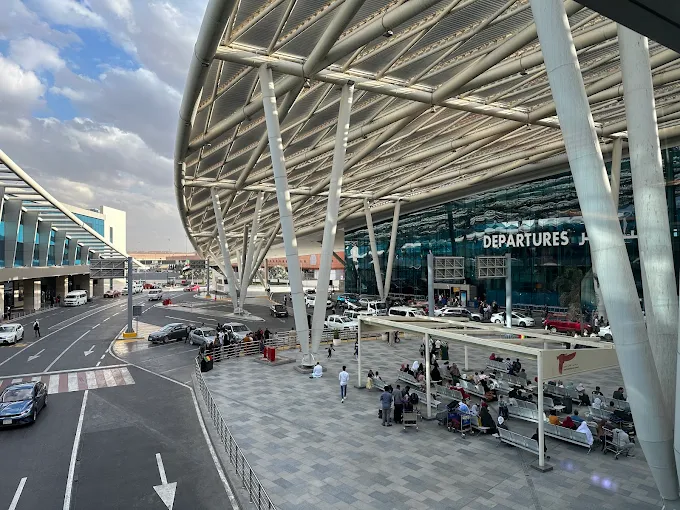
Egypt will begin phasing out paper visa stickers from August 1, launching a digital visa-on-arrival system at Cairo International Airport that issues travellers a scannable QR code instead.
The Ministry of Tourism and Antiquities announced the pilot on July 23, covering all arrival terminals at Cairo International, as the first stage of a nationwide rollout to other airports. Dates for subsequent airports will be announced in advance.
Travellers can generate the Visa QR Code through an official online portal, going live 48 hours before the pilot begins, a dedicated mobile application, or self-service machines in the Cairo arrival halls. The code can be issued before departure, in flight, or after landing, and can be generated by the traveller or by a travel agency acting on their behalf. Border officers scan it alongside the passport, and it can be presented either on screen by email or printed. Each code remains valid for 48 hours from issuance.
The total cost is USD 36, comprising the existing USD 30 visa fee plus a USD 6 issuing charge.
During the pilot, the digital system will run in parallel with the paper visa. Once the trial concludes, the sticker will be withdrawn and the QR code will become the sole entry method.
The Egyptian Tourism Authority, established in 1981 to promote the country’s tourism assets and develop domestic tourism, said the ministry is encouraging the travel industry to pass the details to customers.
Why it matters for the trade
Agents and tour operators handling Egypt bookings gain the ability to generate visas on behalf of clients, which removes a friction point at the border and opens a service the trade can build into packages. The 48-hour validity window is the operational catch: codes issued too early will expire, so booking teams will need to time issuance against departure rather than processing visas in bulk well ahead.
The parallel-running period offers a grace window to adapt workflows, but the eventual withdrawal of the paper sticker makes adoption mandatory rather than optional for anyone selling Egypt. Groups arriving via Cairo should be briefed first, given the pilot’s terminal coverage, and operators routing clients through Hurghada, Sharm el-Sheikh or Luxor should watch for stage-two announcements.