

A destination spotlight on South Korea’s regional heartland
Most first-time visitors to South Korea follow the same script: land at Incheon, check into a hotel in Seoul, and spend the week between palaces, cafés, and K-beauty shops. It is a great trip, but it is only one chapter of the country. A new national campaign wants travelers to start the story somewhere else.
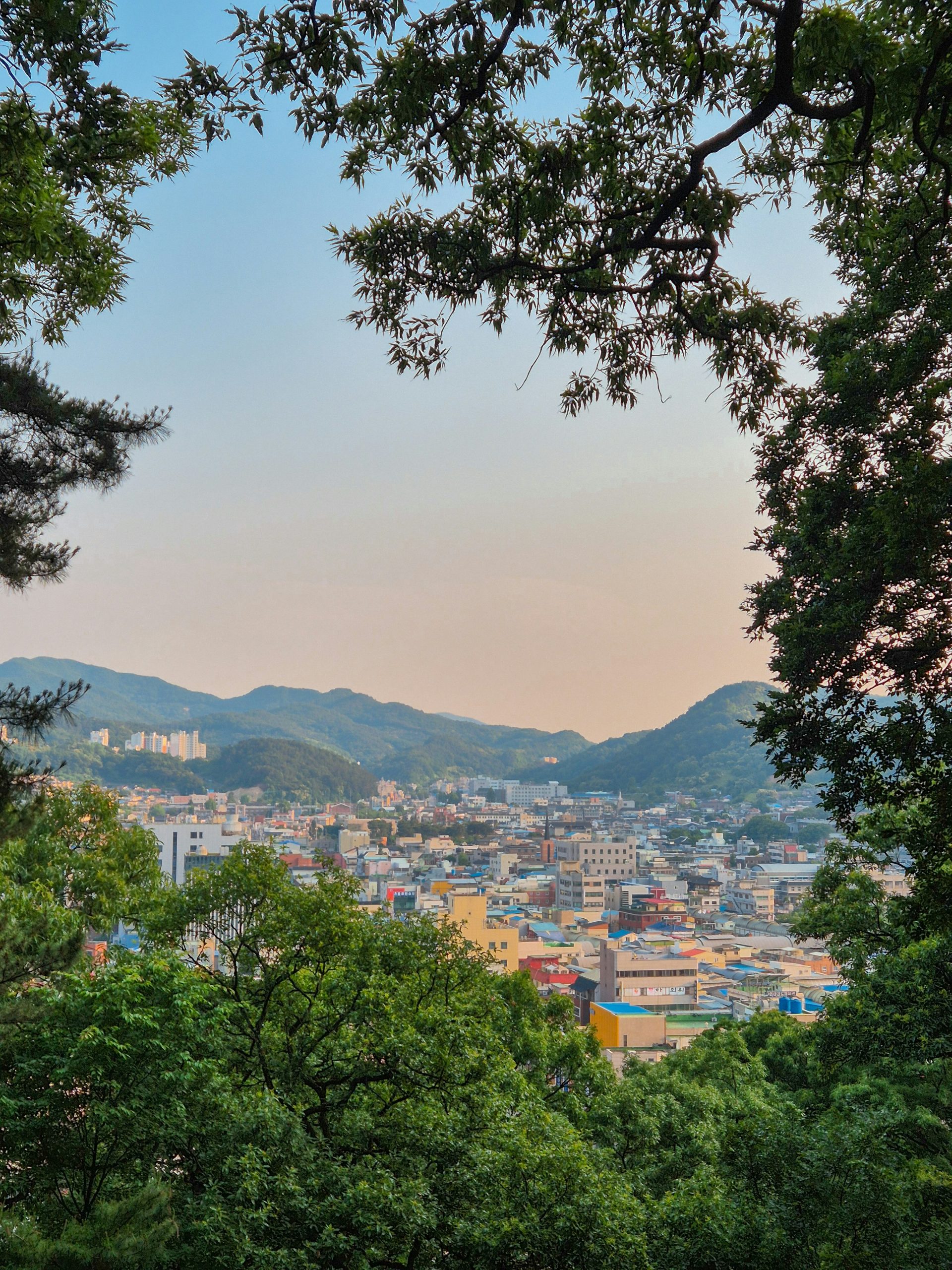
A Campaign to Unlock the Regions
Launched on October 7 by the Korea Tourism Organization (KTO), Unlock Your Korea: Go Local runs through December 13. Its idea is simple: if international visitors arrive through regional airports and seaports and find it easy to get around, they won’t feel the pull back to the capital.
The campaign focuses on secondary gateways: the airports of Cheongju, Daegu, and Gimhae, and the port terminals of Incheon, Pyeongtaek, and Gunsan. A KTO official said the aim is for visitors to find travel information immediately on arrival and enjoy the charm of local culture right away.
Solving Two Problems: Paying and Getting Around
Anyone who has traveled in a country where they don’t speak the language knows the friction: how do I pay at this market stall, and how do I get to the next town? The campaign targets exactly these two pain points.
- Payments: Mobile payment options and tax-free shopping are being expanded to local markets and small shops. Travelers using the prepaid WOWPASS card get instant cash-back when they spend more than 10,000 won (about $7.50) at participating local businesses.
- Transport: In Busan, the new K-Tour Pass bundles discounted express train fares from the airport with free entry to 35 local attractions.
- Language support: Korea’s 1330 tourism hotline is expanding its multilingual translation services, which can help with rural bus routes and booking traditional hanok (Korean-style house) stays.
Eat Your Way Through the Regions
Food is the campaign’s secret weapon, and Korea doesn’t need much help there. KTO is pairing travel packages with local food festivals and promoting them through its overseas offices and global travel agencies. Two stand out:
- Daegu’s Tteokbokki Festival: Daegu has a well-earned reputation for fiery street food, and chewy rice cakes in a vivid red sauce are a signature order. Expect a very different experience from the Seoul version.
- Gimcheon’s Gimbap Festival: Gimbap, the seaweed-wrapped rolls found in every Korean lunchbox, gets its own celebration in this smaller city, a reminder that the country’s most beloved everyday dishes often taste best at the source.
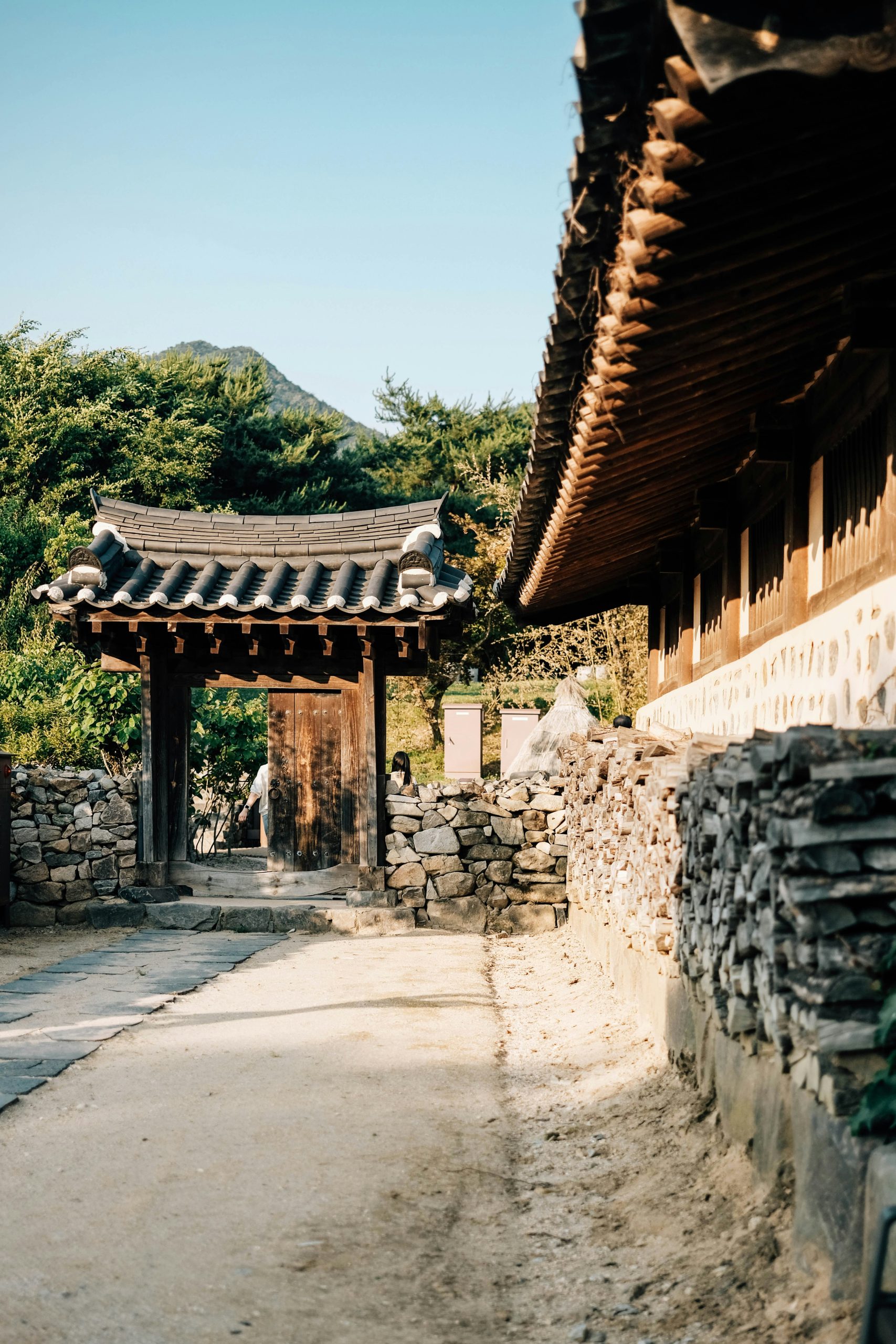
Where the Gateways Lead
The campaign is about logistics, but the destinations behind those airport and port names are the real draw. Here is a taste of what each gateway opens up:
- Busan (via Gimhae): Korea’s great port city has beaches, seafood markets, and hillside neighborhoods, and it is the home of the K-Tour Pass. It is the easiest place to start a trip that leaves Seoul out entirely.
- Daegu: Inland and food-obsessed, it is a natural base for street food, traditional markets, and the tteokbokki festival.
- Cheongju: A calmer central-region stop, known for its connection to Korea’s printing heritage.
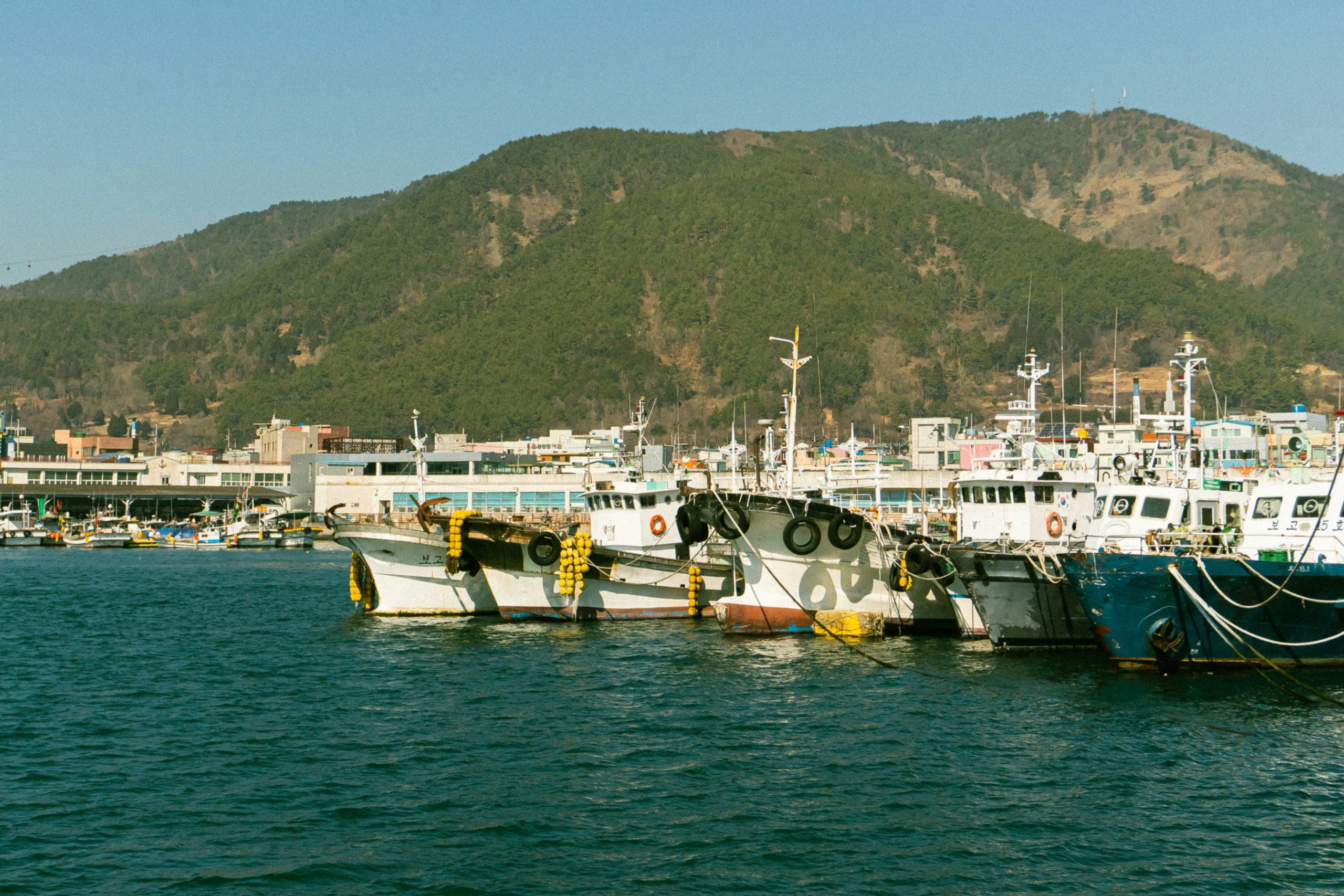
- Gunsan: A west-coast port city with a layered history, offering a slower, more nostalgic pace than the big metropolitan areas.
- Incheon and Pyeongtaek: Seaport gateways that let cruise and ferry travelers step straight into the regions.
Why Now?
Korea is chasing record international arrivals, but the benefits are concentrated in a handful of capital-city districts. Spreading visitors, and their spending, across the country is now a top priority. For travelers, the timing works in their favor: new passes, better payment tools, and stronger language support are arriving just as autumn makes Korea’s countryside at its most photogenic.
How to Plan a Beyond-Seoul Trip
- Choose your gateway first. Look at flights into Busan (Gimhae), Daegu, or Cheongju rather than defaulting to Incheon.
- Pick a food festival as your anchor. Build a short itinerary around Daegu or Gimcheon and let the rest follow.
- Pack the right tools. Get a WOWPASS card, check the K-Tour Pass if you’re heading to Busan, and save the 1330 hotline number.
- Stay somewhere local. Book at least one night in a hanok to slow down and meet your hosts.
- Add Seoul last. If you still want the capital, treat it as a finale rather than the starting point.
The Bottom Line
Seoul will always be Korea’s showpiece, but the country’s character is just as strong in its markets, port towns, and festival grounds. With this campaign, KTO is betting that visitors who arrive in the regions will leave with a fuller picture of Korea, and a good reason to come back.