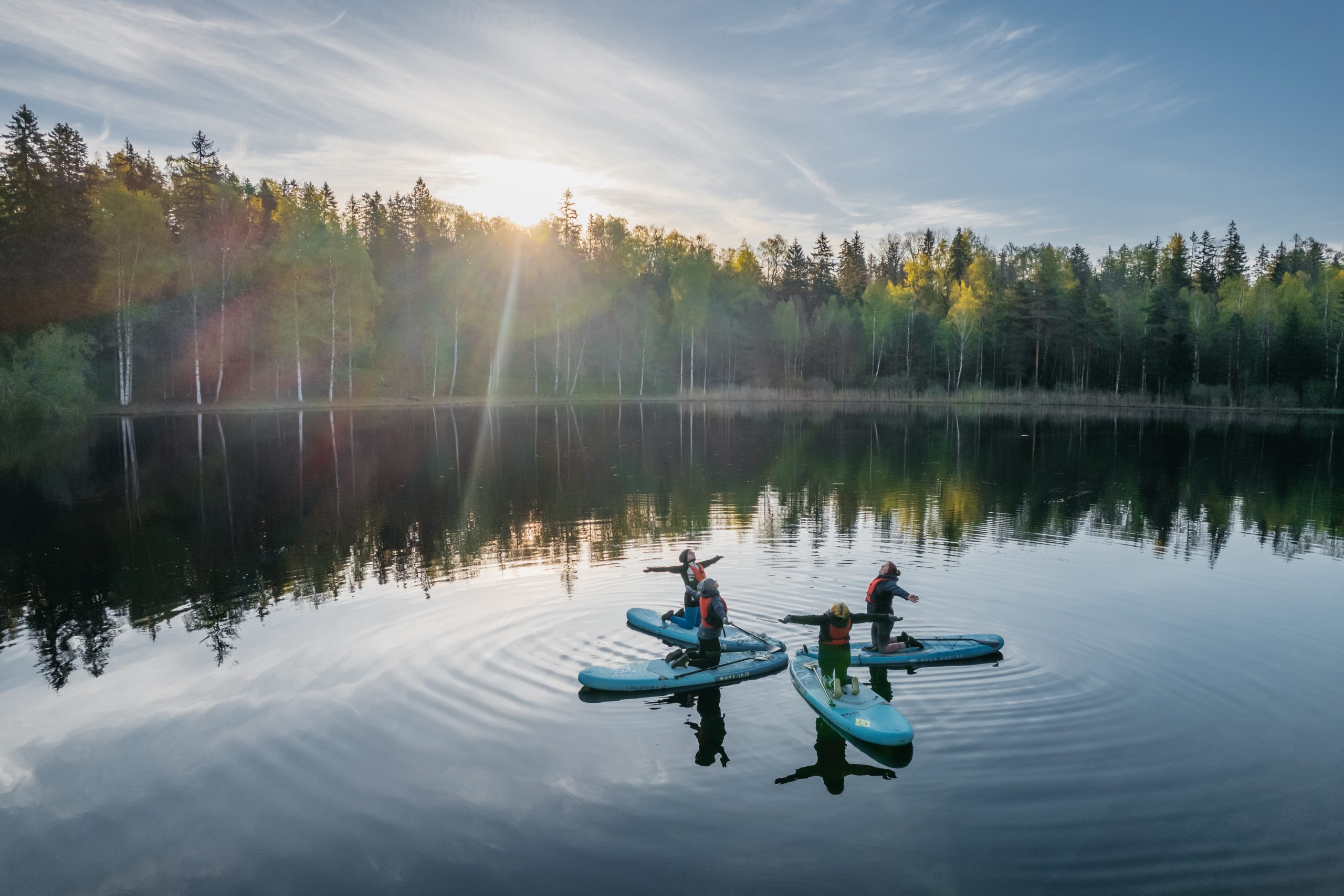
Estonia has a reputation for flatness, all coastal plain and open sky, which makes Kõrvemaa an unlikely find. Barely an hour’s drive from Tallinn, the reserve folds in protected forest, bogs and mires, eskers, valleys and still forest lakes, terrain that has little in common with the rest of the country. It does not present itself the way more polished destinations do. It is the sort of place nature photographers return to without saying why, that birdwatchers mark privately, that foragers visit each autumn for mushrooms and berries and are reluctant to discuss further.
Guided walks through Kõrvemaa move at the pace the forest sets, not the itinerary. Local guides encourage visitors to stay quiet and let the surroundings do the talking, an instruction that takes some getting used to and then becomes the point of the visit. Many walks end at Haraka bog for a wild swim, a practice rooted in how Estonians have long used their bogs, not as scenery to observe but as places to enter.
Bogs here are working ecosystems as much as they are beautiful ones. Organic matter builds up as peat rather than fully decomposing, binding carbon in a way that supports the country’s wider environmental record. For visitors, that translates into water that is cold, dark and completely unlike anywhere else they are likely to swim.
Where to stay
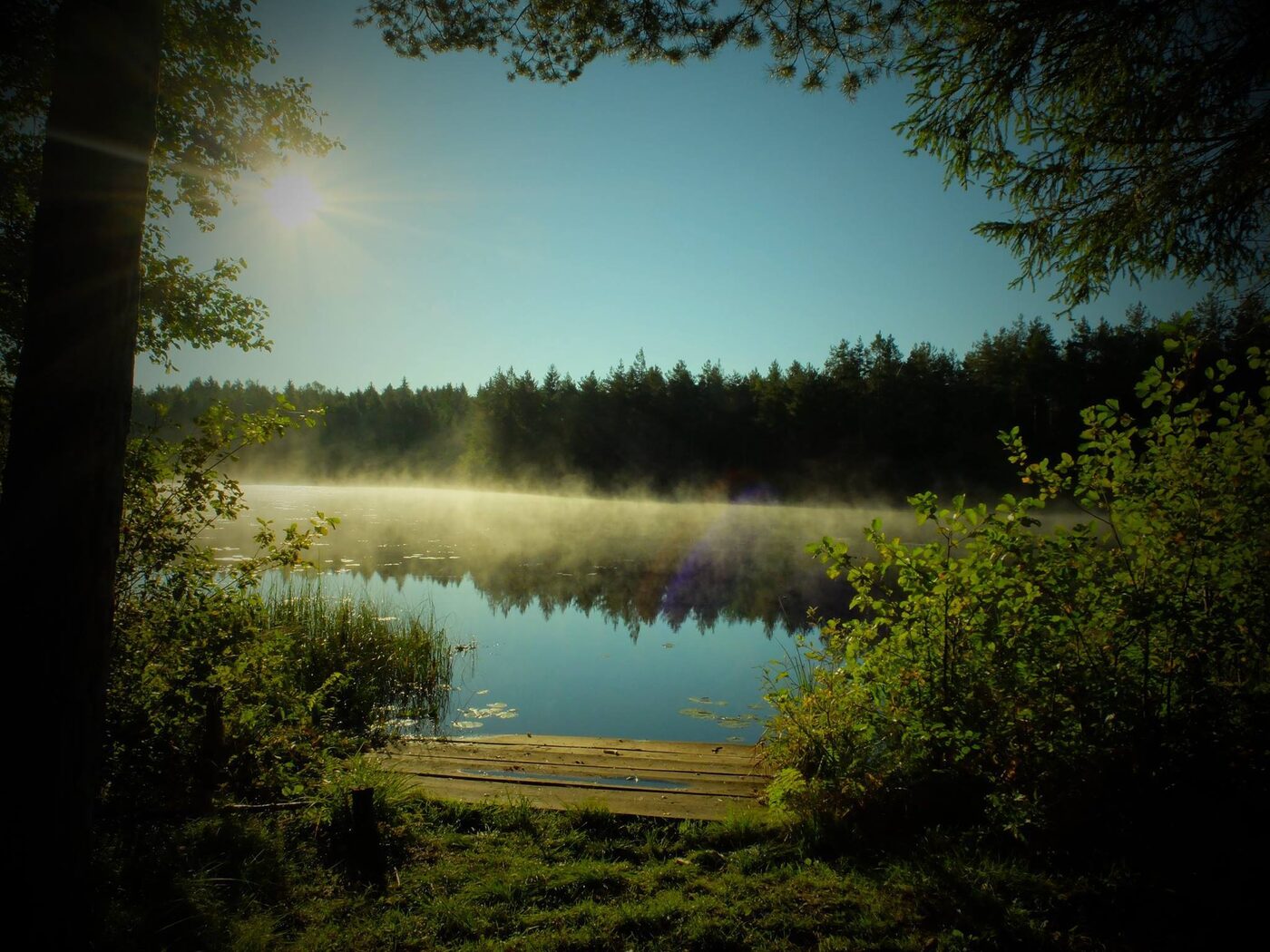
Accommodation inside Kõrvemaa is deliberately limited. The Kuuse Houses, set among dense spruce and pine near the Sportland Kõrvemaa Hiking and Ski Resort, are built in a Scandinavian style with floor-to-ceiling glass that removes any real boundary between the cabin and the forest around it. There is no traffic noise and no aircraft overhead, only branches and whatever is moving through the undergrowth outside.
Where to eat
Dining follows the same local logic. At one lodge, British-born chef Ellery Powell, who has lived in Estonia for over a decade, built a menu entirely from ingredients foraged within 50km, including salmon tartare wrapped in Estonian clover and buckwheat roasted with hand-picked golden chanterelle mushrooms known locally as kukeseen. Dill and sour cream, two staples of Estonian cooking, run through most of the courses.
Where to sauna
Estonia’s sauna culture is inscribed on UNESCO’s list of intangible cultural heritage, and Uuejärve Nature Retreat offers one of its more complete introductions. A guided session includes vihtlemine, the practice of whisking the body with bundled birch or oak leaves, alongside natural treatments made from local plants and an explanation of what the sauna represents in Estonian daily life rather than as a standalone wellness activity.
Getting there and what else to do
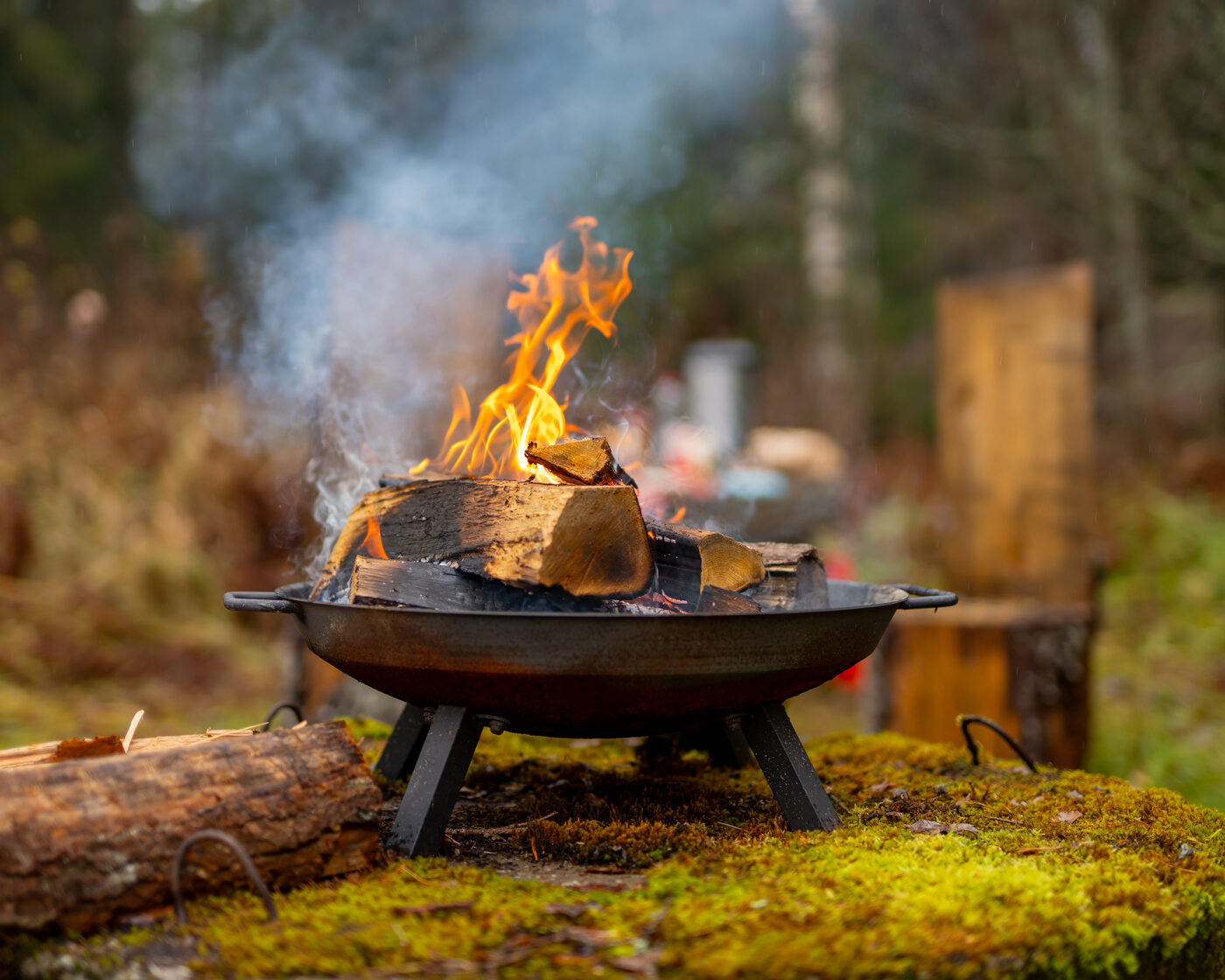
Kõrvemaa is reachable by Elron train from Tallinn, Narva, Rakvere or Tartu to Aegviidu, known locally as Estonia’s hiking capital. More than 25 tourism operators and holiday centres run within a 100km radius, offering marked health trails ranging from short 1.5km loops to a 24km route near Jäneda, along with canoe and bike trips, snowshoe hikes across the bogs, overnight stays in hammocks, and ice skating on the frozen lakes once winter sets in. Campsites and campfire sites sit along the main trails for those extending their visit beyond a single day.