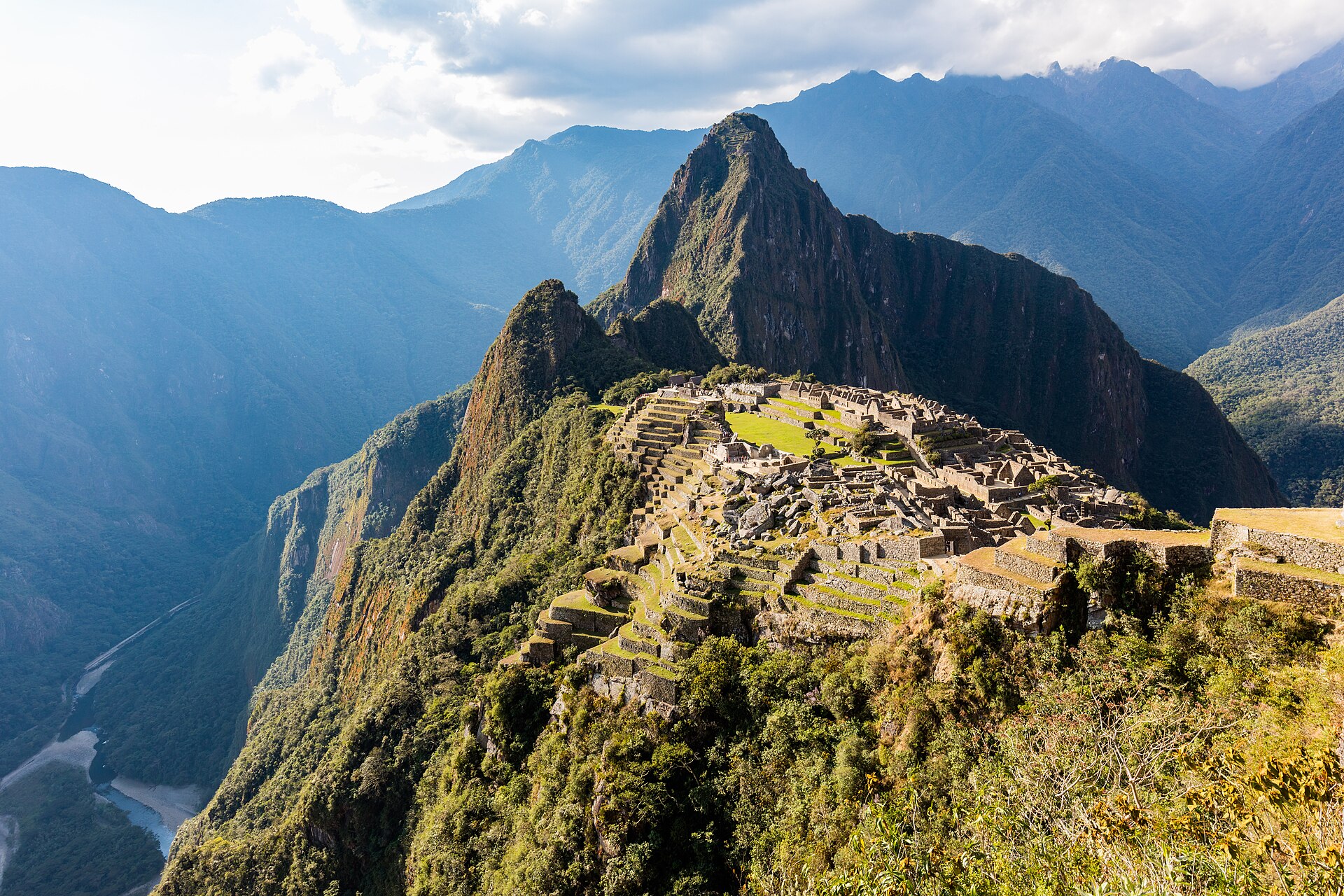
As tourism leaders meet in Peru for the Global Meaningful Travel Summit, run by Tourism Cares across Lima, Cusco and the Sacred Valley, the pressure on Machu Picchu is high on the agenda. The Inca citadel admits up to 5,600 visitors a day in peak season.
Hedder Quispe Puente de la Vega, founder of Cusco-based operator Machu Travel Peru, said the most common mistake visitors make is “stepping outside designated routes or touching, leaning on or climbing the Inca stonework to take photographs”, which is prohibited and can put the fragile site at risk.
“Visitors should stick to their authorised circuits, follow their guide’s instructions and respect all site regulations,” he said. “It is just as important to avoid loud or disruptive behaviour, never leave litter behind and be considerate of the people who live and work in the region. Responsible tourism means protecting both the archaeological heritage and the communities that help make the destination special.”
To keep spending in the region, he recommends booking directly with locally owned businesses and accredited local guides, using local transport and choosing tour operators that hire from nearby communities. “When buying souvenirs, purchasing directly from local artisans or established cooperatives helps ensure that more of the value stays within the local economy,” he said.
The same applies to food, he added, with locally owned restaurants that use regional ingredients supporting farmers, producers and small businesses. “Asking who made a product or who benefits from a service is a simple way to make more responsible choices.”
To cut their footprint, he suggests travellers carry a reusable water bottle and refill it where safe drinking water is available, avoid leaving litter on trails and archaeological sites, and save water and energy at their accommodation. “Small, thoughtful choices throughout a trip can help reduce its environmental footprint and protect the places people have travelled so far to experience.”
Around Cusco, he urged visitors to approach Andean communities “with curiosity, respect and a genuine willingness to learn, rather than treating local people simply as part of the tourist experience”, asking permission before photographing anyone and paying fair prices for traditional crafts.
“Most importantly, take the time to listen to local people and respect their wishes,” he said. “Every community has its own traditions and perspectives, and being a responsible visitor means appreciating these differences rather than making assumptions.”
Source: Machu Travel Peru. The Global Meaningful Travel Summit: Peru runs from 17 to 23 October 2026, organised by Tourism Cares.