Lahore was designated the tourism and cultural capital of the Shanghai Cooperation Organisation (SCO) for 2026 and 2027, handing Pakistan‘s second city a two-year platform to court visitors from across the ten-nation bloc as Islamabad prepares to take the SCO chair in 2027.
The designation was confirmed at the SCO heads-of-state summit in Bishkek, where leaders including Pakistani Prime Minister Shehbaz Sharif and Iran‘s President Masoud Pezeshkian gathered to mark the bloc’s 25th anniversary. It hands Lahore a marketing window aimed at a combined market of more than 3bn people across member states spanning China, India, Russia, Iran, Pakistan and Central Asia, at a moment when Pakistan is trying to convert a wave of visa liberalisation into arrivals.
The city takes the title from Cholpon-Ata in Kyrgyzstan, which held it for 2025-26. Tajikistan‘s President Emomali Rahmon backed the Lahore designation in his summit address, congratulating Pakistan on assuming the SCO chairmanship.
Pakistan plans a year-long programme built around the title. Federal Minister for National Heritage and Culture Aurangzeb Khan Khichi has said four flagship cultural events would be staged in Lahore, complemented by programmes in Islamabad and Karachi across the year, with SCO member states’ embassies and consulates invited to take part through performances, exhibitions and cultural troupes.
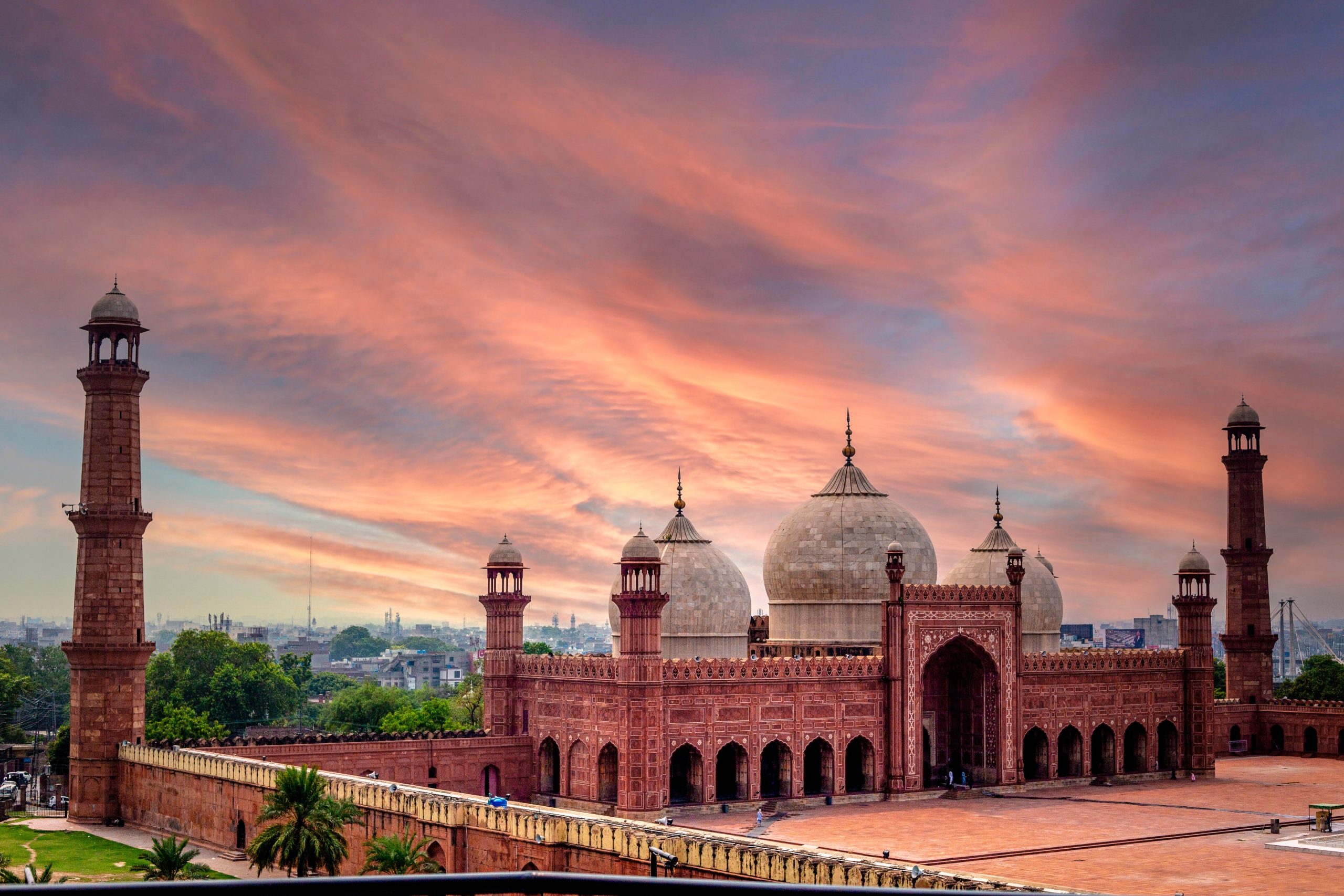
Lahore, the capital of Punjab province, is Pakistan’s cultural heart, home to the Mughal-era Lahore Fort and Shalimar Gardens, both UNESCO World Heritage sites, the Badshahi Mosque and the old walled city. It separately holds the title of Economic Cooperation Organisation (ECO) Tourism Capital for 2027, a distinct designation awarded in 2025.
The SCO title lands as Pakistan overhauls its entry rules. The government extended online e-visa access to 192 nationalities and visa-on-arrival arrangements to about 120 countries in early 2026, one of South Asia’s broadest visa liberalisations, though the free Visa Prior to Arrival scheme was quietly withdrawn on January 1. Pakistan’s travel and tourism sector contributed 5.8% of GDP in 2023 and supported about 4.73mn jobs, according to the World Travel and Tourism Council.
Pakistan International Airlines has been rebuilding international connectivity after the lifting of European and UK flight bans, a prerequisite for turning long-haul interest into bookings.