In the heart of Monrovia, on an 11.22-acre island that has sat behind a locked gate for years as its foundations crumbled, Liberia is preparing to build its first state-funded tourism destination on the very ground where the country’s founding story began.
Providence Island was where settlers associated with the American Colonization Society came ashore at Cape Mesurado in January 1822, establishing a settlement they named Christopolis, later renamed Monrovia in 1824 after United States President James Monroe. The island is widely regarded as the symbolic birthplace of modern Liberia, and the physical starting point of the country’s journey from settlement to independent republic, declared 25 years after that landing.
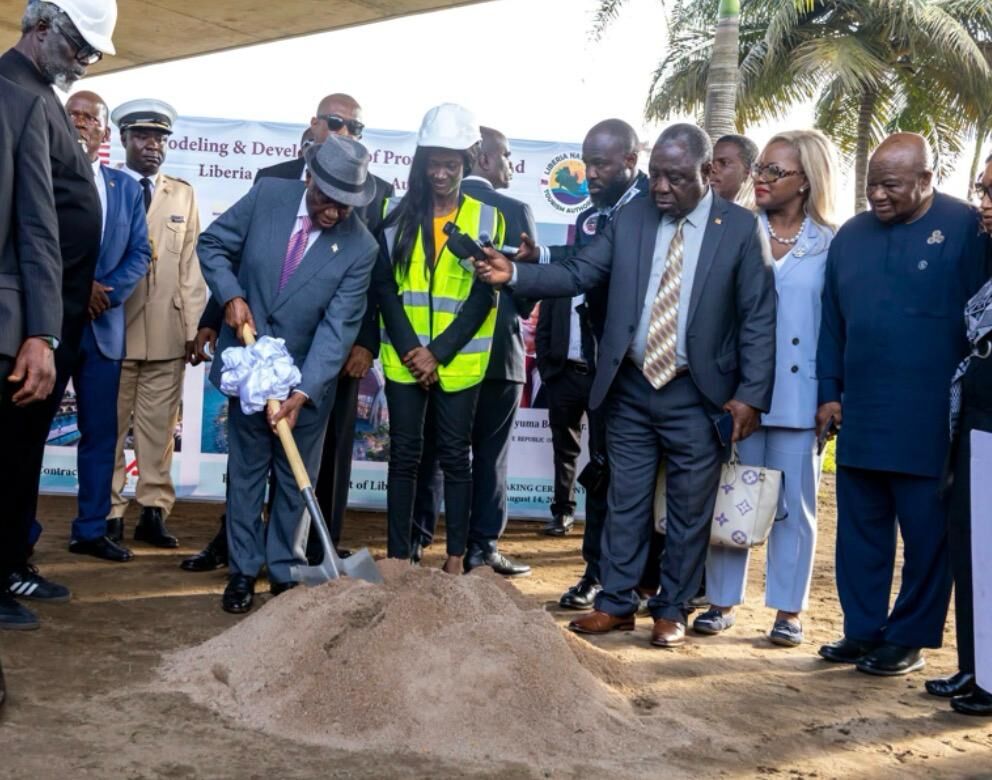
President Joseph Nyuma Boakai broke ground for the island’s redevelopment in August, describing it as part of his administration’s ARREST Agenda for Inclusive Development and a deliberate shift toward investing in Liberia’s cultural and heritage assets. The project is being implemented by the Liberia National Tourism Authority, funded by the Government of Liberia through the Public Sector Investment Program, and delivered under a design-and-build arrangement intended to let the final layout respond to site conditions and heritage-preservation requirements identified during the project’s initial phase. The next phase of work is expected to begin in September.
Under the proposed development concept, Providence Island will feature heritage walks, historical and digital interpretation facilities, arts and crafts spaces, Liberian food and community vending areas, cultural performances, guided tours, educational facilities and riverfront spaces, alongside rehabilitation of the island’s existing theatre to help revive Liberian traditions and culture. Officials have compared the ambition to Ghana’s Cape Coast Castle and Senegal’s Gorée Island, two heritage sites that have become central to those countries’ tourism economies and their connection to the wider African diaspora.
Its location inside the capital gives Providence Island a practical advantage over more remote attractions, with officials noting it could be incorporated into city tours, diplomatic visits, school excursions, diaspora programmes and cruise or international visitor itineraries. For African Americans and the wider global African diaspora, Liberia’s founding narrative carries a distinct connection to the history of Black migration and nation-building, a link officials hope can extend the island’s relevance well beyond Liberia’s borders.
The project is also expected to open space for private-sector participation, with officials pointing to opportunities for local entrepreneurs in transportation, hospitality, food, cultural performances and handicrafts. Some observers have raised questions over the protection of the site’s archaeological and cultural heritage and the transparency of the procurement process, with the tourism authority maintaining that the project complies with procurement law and builds on earlier heritage studies of the site.
For a country whose economy has long depended on iron ore and rubber exports, Providence Island represents an attempt to build a tourism asset around something that cannot be extracted or shipped away: the physical ground where Liberia’s national story began.