
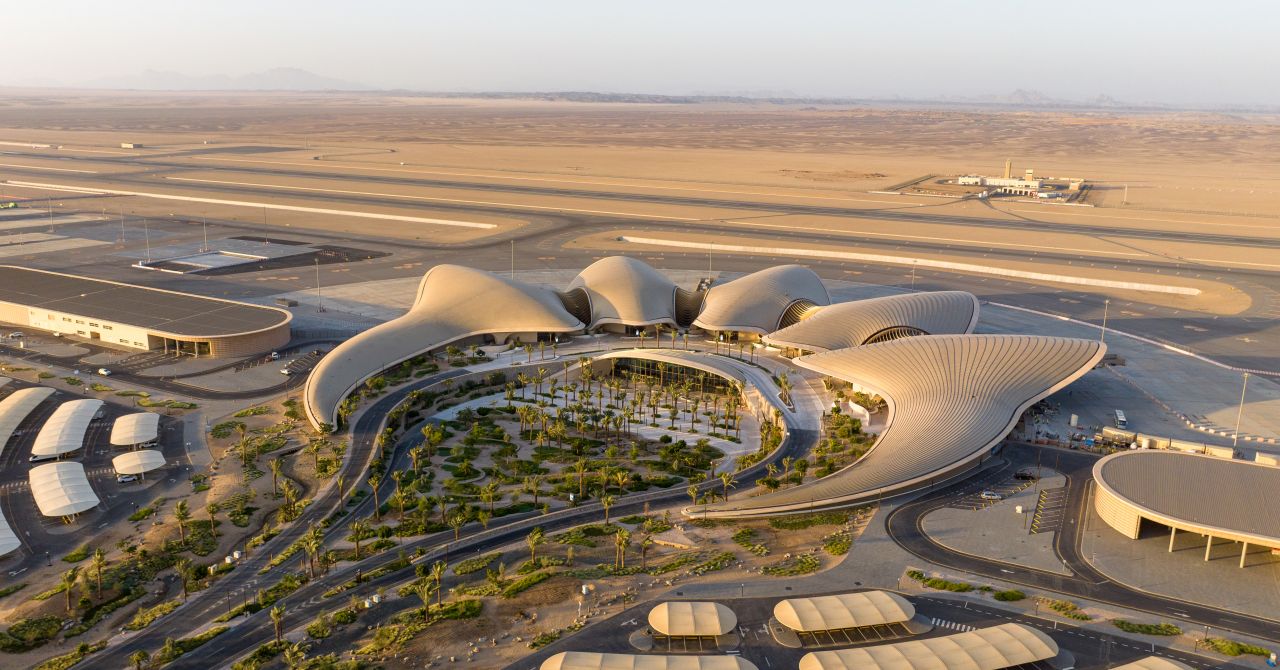
Red Sea International Airport ran 80 flights and more than 15,000 seats over the Eid Al-Adha peak from May 21 to 31, a step-up that shows how the gateway to Saudi Arabia‘s flagship luxury destination is scaling from soft launch towards full operations. For the trade, the key detail is the passenger mix: roughly 80 per cent of traffic remains domestic, and the airport is targeting a 50:50 domestic-to-international split by the end of 2026. Closing that gap is the commercial opportunity, and it depends on the airlift that the destination does not yet have.
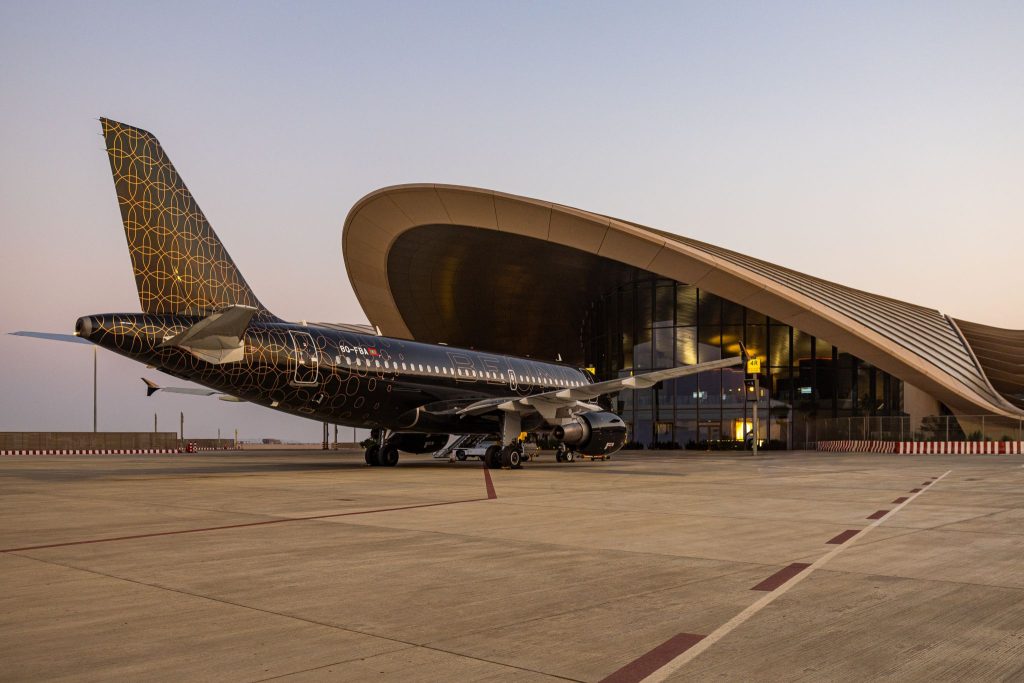
Operated by daa International, the airport expanded its Eid schedule to 80 inbound and outbound flights, including 64 domestic services of which 32 were additional, providing over 10,000 domestic seats connecting guests from Riyadh and Jeddah. The airport opened in September 2023 for domestic flights via Saudia, added international service in 2024 with flydubai, and brought in Qatar Airways from Doha in October 2025. The first direct European flight, operated by premium leisure carrier beOnd, landed from Milan in November 2025.
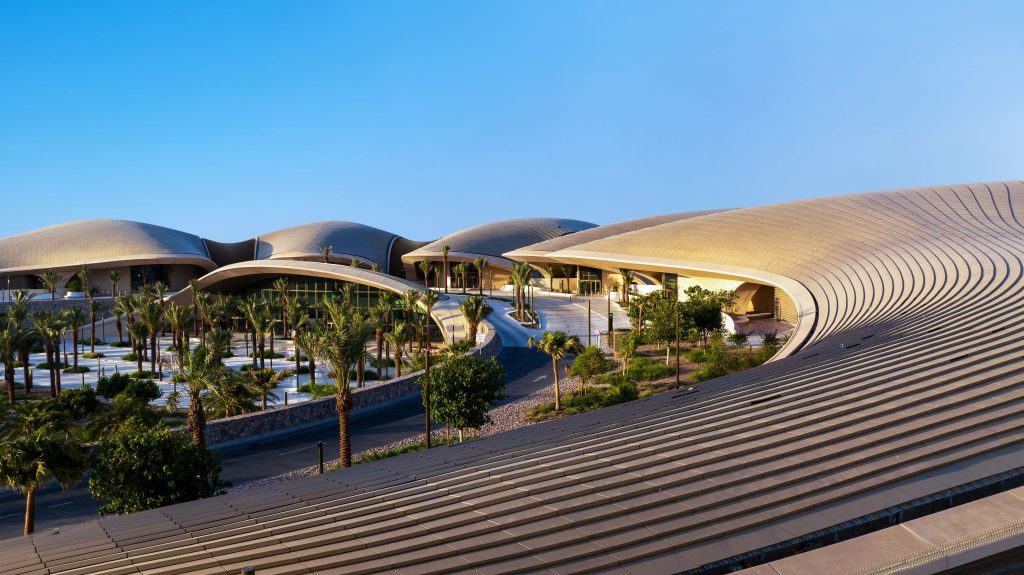
The airport, designed by Foster + Partners with a dune-inspired terminal and powered entirely by renewable energy, serves The Red Sea and AMAALA, the regenerative tourism projects developed by Red Sea Global. It is targeting one million passengers a year by 2030.
- The international gap is the prize. With 80 per cent of traffic domestic, the route to the 50:50 target runs through new international airlift. Tour operators and DMCs feeding inbound leisure into the destination have a clear runway while the balance tips.
- Length of stay is the airport’s own pitch. Chief commercial officer Michael White has positioned longer guest stays at The Red Sea and AMAALA as the selling point to carriers weighing new leisure capacity, which reframes the destination as worth a dedicated route rather than a connection.
- Resort supply is arriving. Red Sea Global is opening 13 ultra-luxury resorts to complete Phase One, building the bed base that any airlift growth needs to fill.
- Connectivity is broadening fast. From a single domestic carrier in 2023 to flydubai, Qatar Airways and beOnd, the route map is widening, with Germany, the UK and Italy named as priority targets.
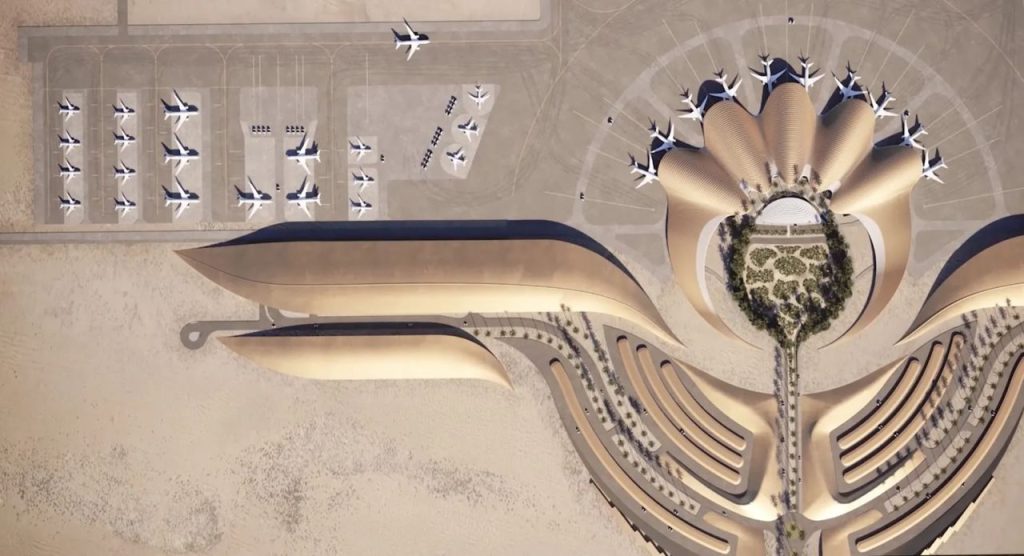
Red Sea International sits within a 28,000 square kilometre development on Saudi Arabia’s west coast, within three hours’ flying time of 250 million people. Phase One pairs the airport with a portfolio of resorts across 22 islands and inland sites, building towards 50 hotels and more than 1,000 residential properties by the destination’s planned completion in 2030. daa International, which holds a multi-phase operating contract running back to 2022, also operates at Jeddah and Riyadh, giving it a wider footprint in the kingdom’s aviation build-out under Vision 2030
The Eid surge was overwhelmingly domestic, which underlines the challenge rather than resolving it. Hitting a 50:50 split by year end means converting one-off European charters and seasonal services into scheduled, year-round routes, and that requires the resort openings to land on time and load factors to hold. The destination’s regenerative positioning also caps volume by design, so the airport is selling yield over throughput, a model that depends on premium carriers and high-spending guests turning up in the numbers the route map assumes.
