
Turkmenistan, long one of Central Asia’s least-visited and historically off-plan countries, is now pitching itself to international tour operators as an emerging destination as flight access improves and the government moves, slowly, towards easier entry. Exciting!
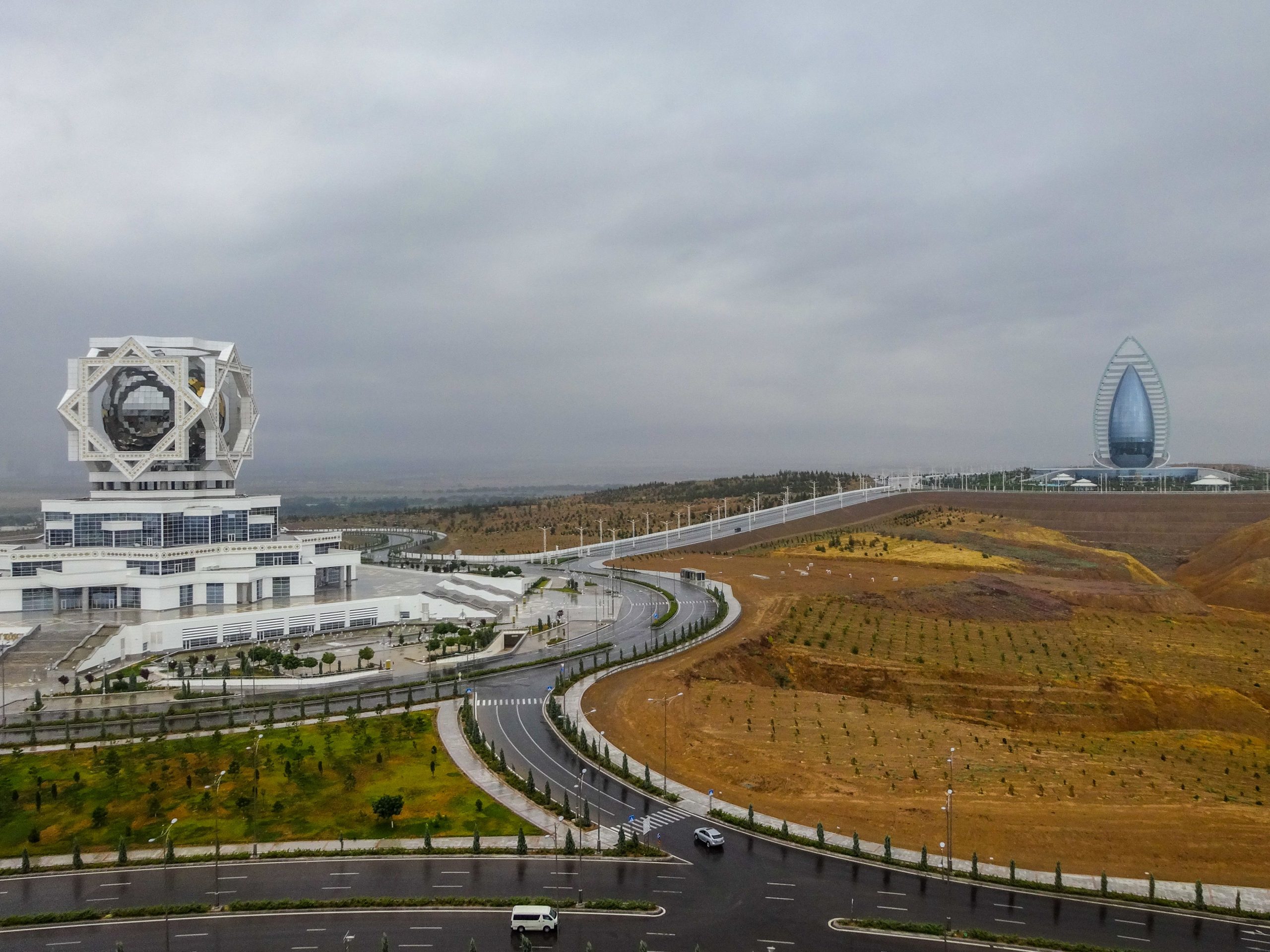
While neighbouring Uzbekistan and Kazakhstan have become established fixtures on Central Asia itineraries, Turkmenistan remains largely outside mass tourism, a function of limited marketing and tightly controlled access rather than any lack of appeal. The country trades on spectacle: the futuristic white-marble architecture of Ashgabat, gold statuary, and the burning Darvaza gas crater that has driven much of its social-media visibility.

Several developments are nudging the country onto operators’ radars. Turkmenistan Airways already flies direct to Ashgabat from London and other international points, and the land border with Uzbekistan is a straightforward crossing (not so with its southern border).
Bradt Travel Guides is bringing its Turkmenistan guidebook back into print after years of leaving it on the shelf, and travel media interest is building for one of the last few countriess in the world which remain off the international travel beat. The government passed legislation in 2025 to replace its cumbersome letter-of-invitation system with an electronic visa, though the e-visa platform has yet to launch and no firm date has been confirmed. For now, most visitors still require a visa obtained through a licensed local operator, an approved letter of invitation, and, in practice, an accompanying guide for the duration of their trip.
Ashgabat-based destination management company Hasyl Tour is among the operators positioning to handle inbound business, offering visa support, ground handling, guiding and itinerary design for groups and independent travellers, alongside pilgrimage, study, MICE and business-delegation work.
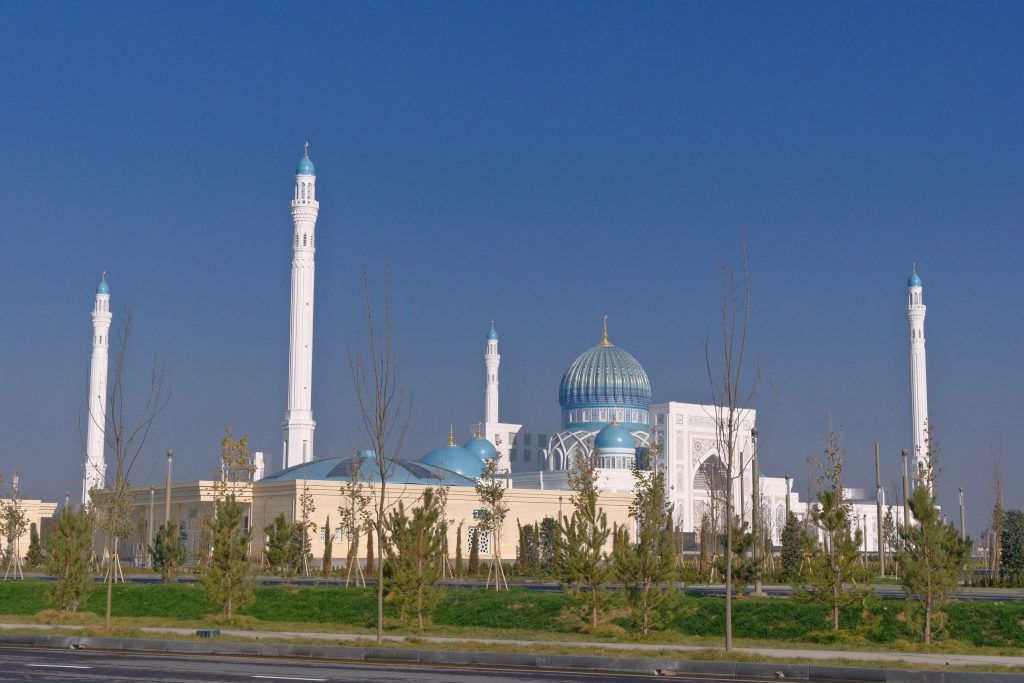
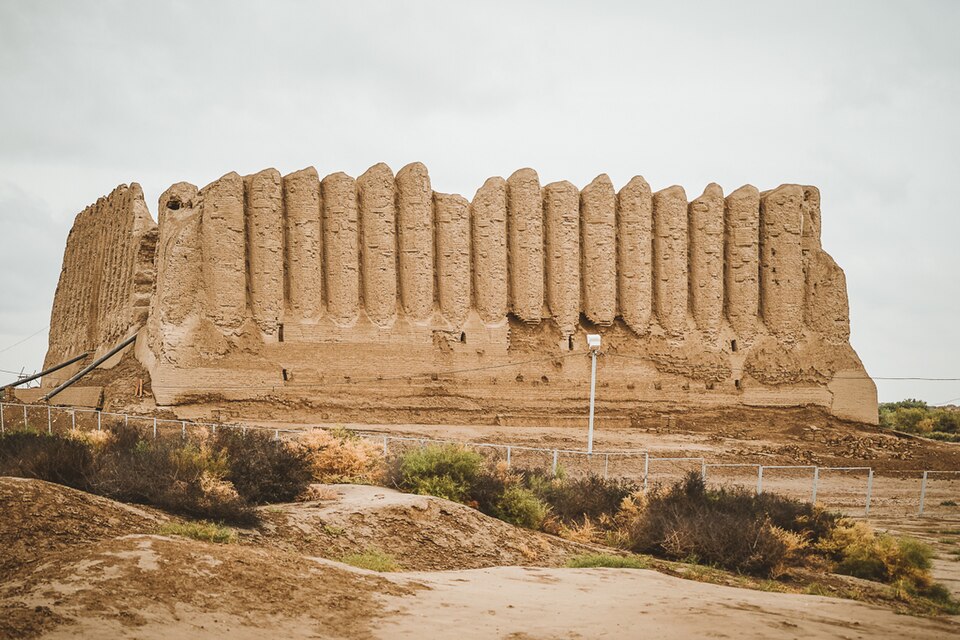
Hasyl’s current showcase itinerary is a ten-day Sufi shrine trail running from the double-domed Mekhneyi mausoleum to the cliffside pilgrimage site of Paraw Bibi, taking in two nights in the Nokhur mountain villages, the Bronze Age site of Gonur Depe and the ruined Seljuk city of Dekhistan, priced from USD1,750 to USD2,350 per person half-board depending on group size.
On the accommodation side, the country can meet upper-tier expectations in the capital. The five-star Yyldyz Hotel, a 24-floor teardrop-shaped tower rising 107 metres over Ashgabat, was built by France’s Bouygues in 2013 and offers 155 rooms and an 18th-floor panoramic restaurant seating up to 600, a useful contrast to the desert camps and mountain homestays that characterise travel elsewhere in the country.
For operators, the appeal is scarcity value: visitor numbers are low enough that clients still feel like pioneers, and early movers have room to shape the Turkmenistan product before it becomes crowded. The caveat is that access remains genuinely restrictive, and the promised visa liberalisation is not yet in place, so itineraries should be built with a reliable in-country partner and realistic expectations around entry.
Trade pointers to note
Turkmenistan is the classic frontier-market opportunity it has high differentiation, low competition, but traditional operational friction for some incoming markets. For operators building Central Asia programmes, it works best as a bolt-on to established Uzbekistan itineraries via the land border, but it could also be seen as an interesting tour for those looking to see the final frontier in tourism.
The scarcity that makes it attractive, which few other operators offer, is inseparable from the access controls that make it hard to deliver, so a dependable local DMC is not optional but structural. Watch the e-visa rollout closely: if the platform launches and independent entry becomes feasible, the destination’s addressable market widens sharply and the current first-mover window narrows fast. Until then, treat bullish “quick and easy” access claims with caution and price in LOI lead times, guide requirements and the high rejection rate on transit visas.