
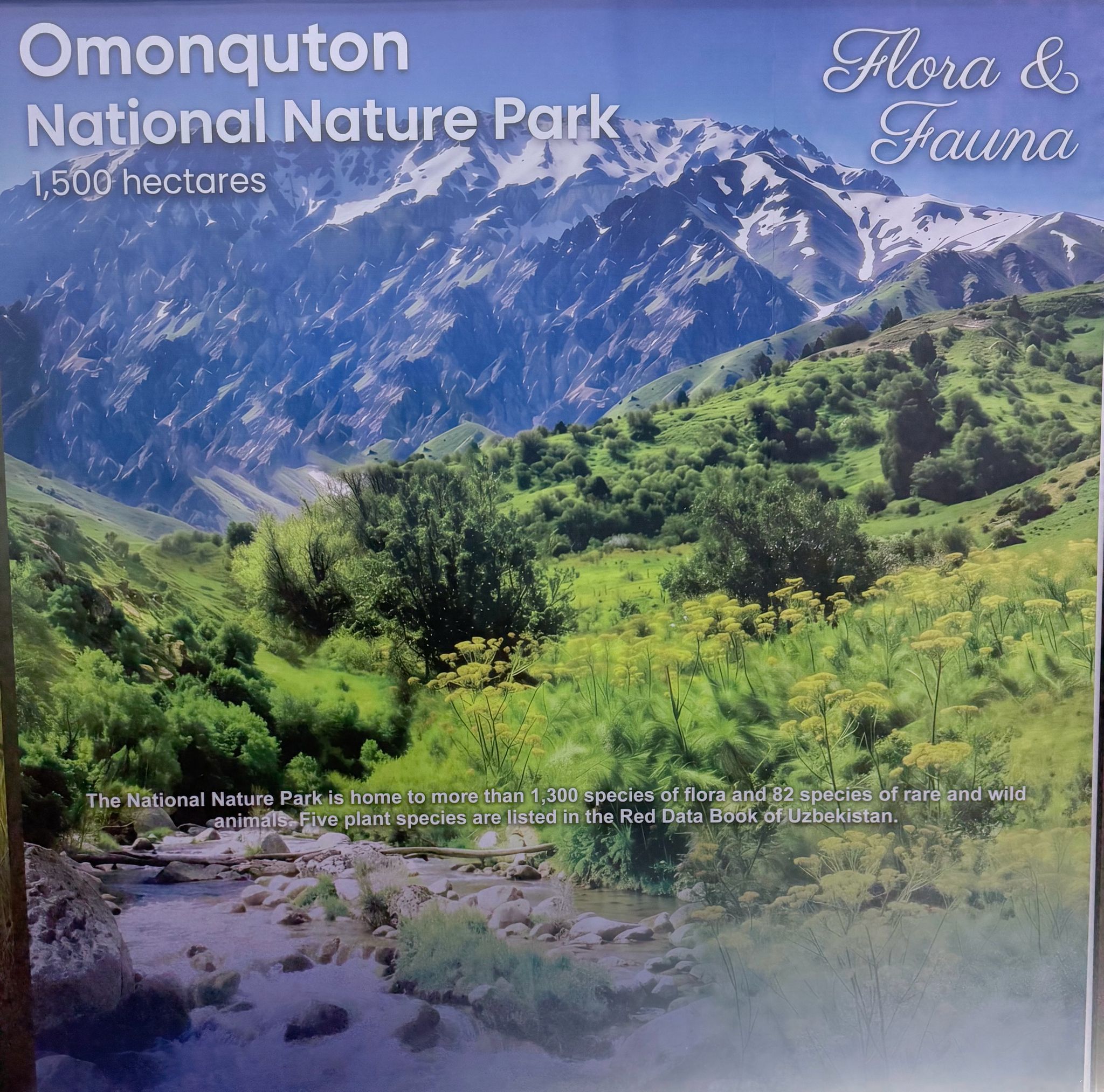
Uzbekistan is best known for the blue domes of Samarkand and Bukhara, but at Eco Expo Central Asia 2026 I watched the country make a deliberate pitch for something else: a nature and eco-tourism product to sit alongside the history. Every region had brought its plans, and a good number of them are worth the trade’s attention.
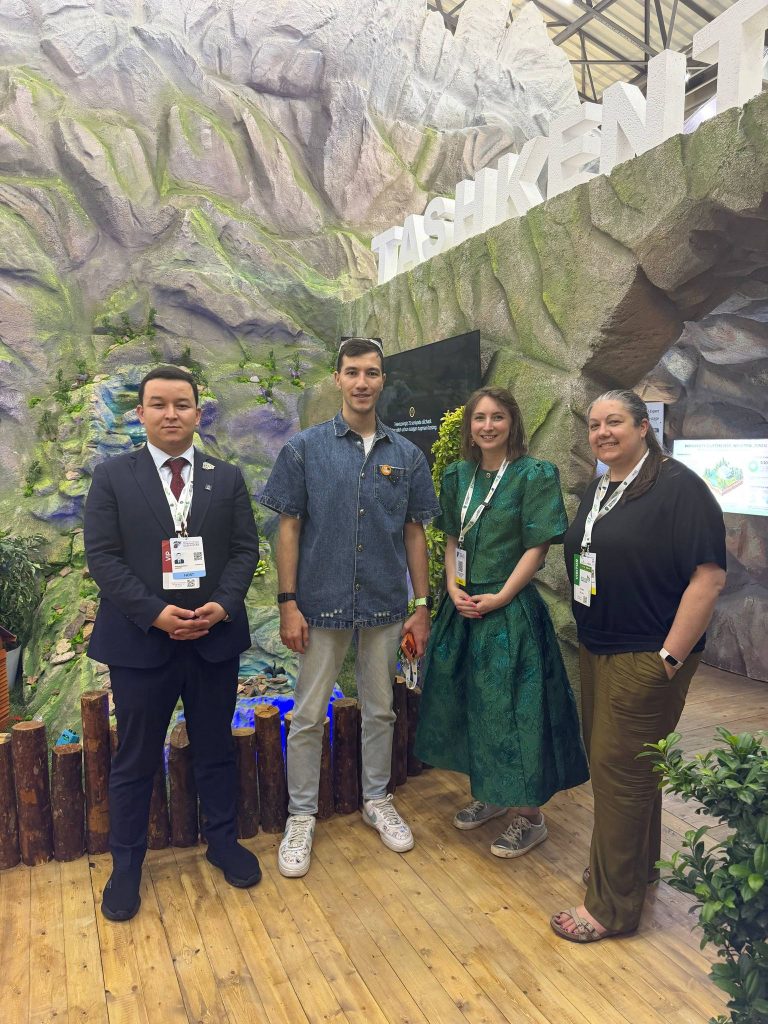
I spent Eco Expo Central Asia 2026, held in Samarkand from 2 to 4 June, walking the regional stands. What struck me was the breadth of it. This is a country whose tourism has long relied on its historical and cultural sites, and here each region, Karakalpakstan included, was instead setting out an environmental offering.
Some of the projects are already running. Others are on the table looking for investment. Here are the ones I’d keep an eye on.
The nationwide Bio Meros, or Bio Heritage, project will be active in 27 protected areas by the end of this year. It is the kind of national framework that gives the regional initiatives below somewhere to plug into.
Capacity is the perennial problem with new nature destinations, and Uzbekistan seems to know it. The Tashkent-based Green University plans to roll out an eco-tourism course in regional colleges across the country. The curriculum is applied rather than academic, which is the right instinct: you cannot sell a guided nature experience without guides.
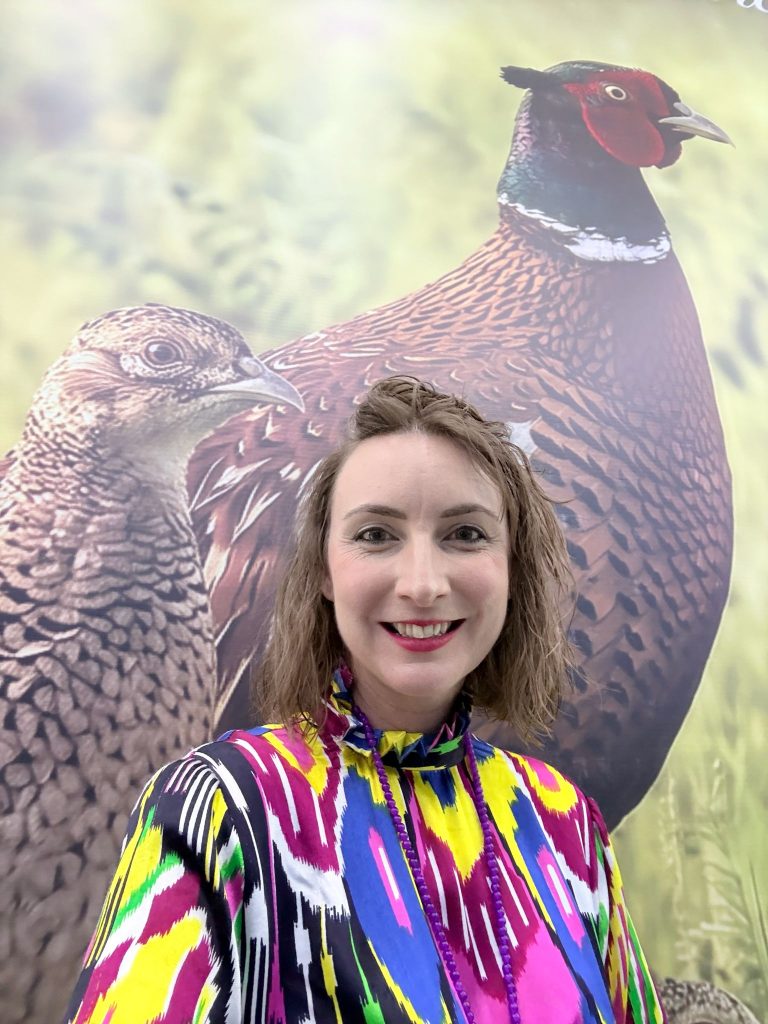
In Syrdarya, a region not previously on many tourist itineraries, there is an ongoing programme to expand protected areas and to recover endangered species through breeding. Among them is the Zarafshan pheasant, listed in the Red Book of Uzbekistan. A new zoo is planned for Gulistan to protect, study and teach local people about the most at-risk species. It is a reminder that conservation tourism has to carry the community along with it.
Bukhara, already famous as an oasis city, is leaning into that identity with new gardens and dendrariums. I liked the logic here. The green spaces do several jobs at once: they preserve native flora, bring down the average temperature, clean the air, and give both residents and visitors somewhere to spend time.
My favourite stop was the Forestry Agency’s work on medicinal plants. The agency has built a nursery of more than 100 native species, with support from the Japanese development agency JICA, for reintroduction to the wild, research and processing. Better still, you can visit it and learn about the plants yourself, which is exactly the sort of small, specific experience that gives a destination texture.
All of this sits alongside the new Regional Climate Museum announced for Nukus, in Karakalpakstan, which we have covered separately. Taken together, the offer now stretches from the Aral Sea region in the west to the protected areas of the centre and east.
It is early, and plenty of these projects are still seeking the funding to deliver. But the direction is unmistakable, and for operators looking to build something beyond the standard Silk Road circuit, Uzbekistan has just laid out a map.