
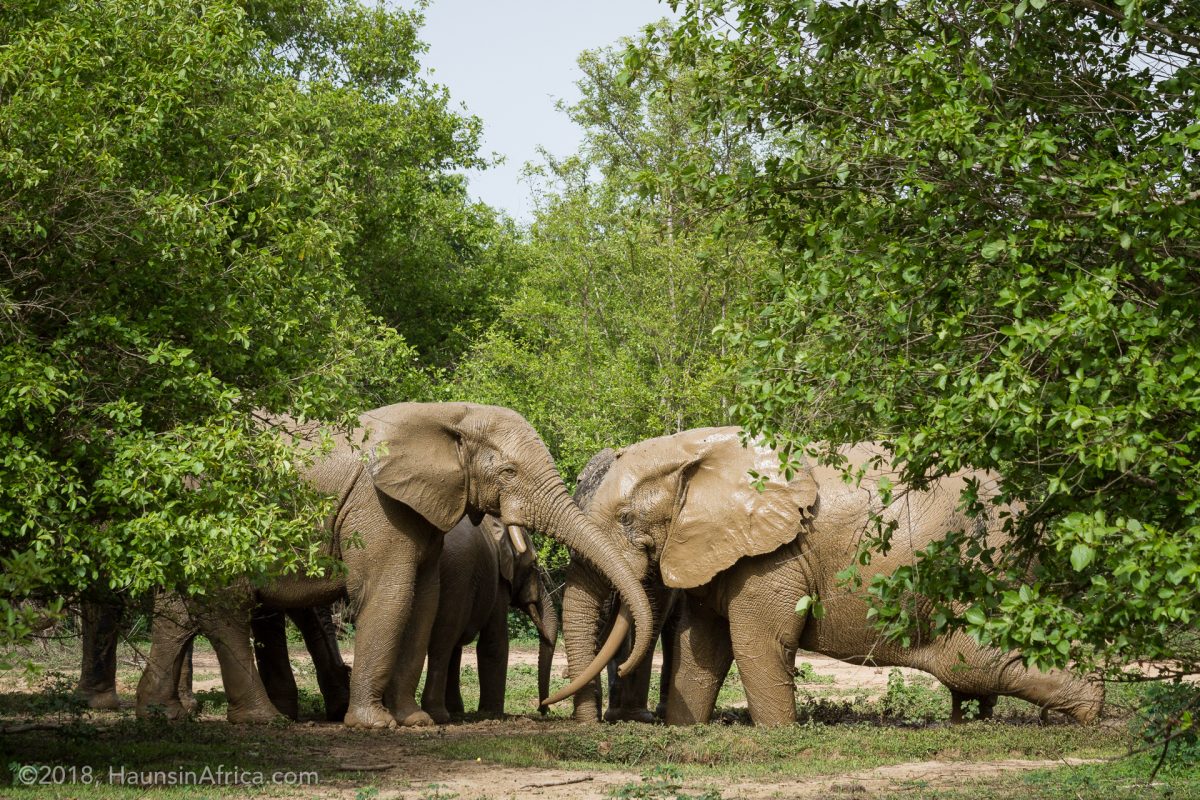
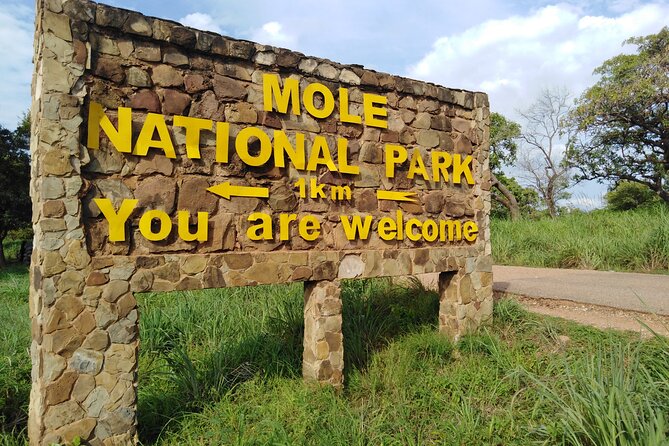
In the far north of Ghana, hours from the capital by road, lies a landscape that feels like a different country altogether. Mole National Park, Ghana’s largest and most significant protected wildlife area, spans 4,840 square kilometres of Guinea savanna, gallery forest and sandstone escarpment, a wilderness that has changed remarkably little since it was first protected more than six decades ago.
Established in 1958 and formally designated as a national park in 1971, Mole was Ghana’s first wildlife protected area, and it remains the country’s flagship reserve. The park is home to an estimated 600 elephants, alongside buffalo, several antelope species, primates, hippopotamuses and more than 300 recorded bird species. Its terrain splits between the Voltaian sandstone basin, covering around 65% of the park, and the Savannah high plains, with the Konkori escarpment running north to south and reaching heights of up to 250 metres, offering sweeping views across the bush below.
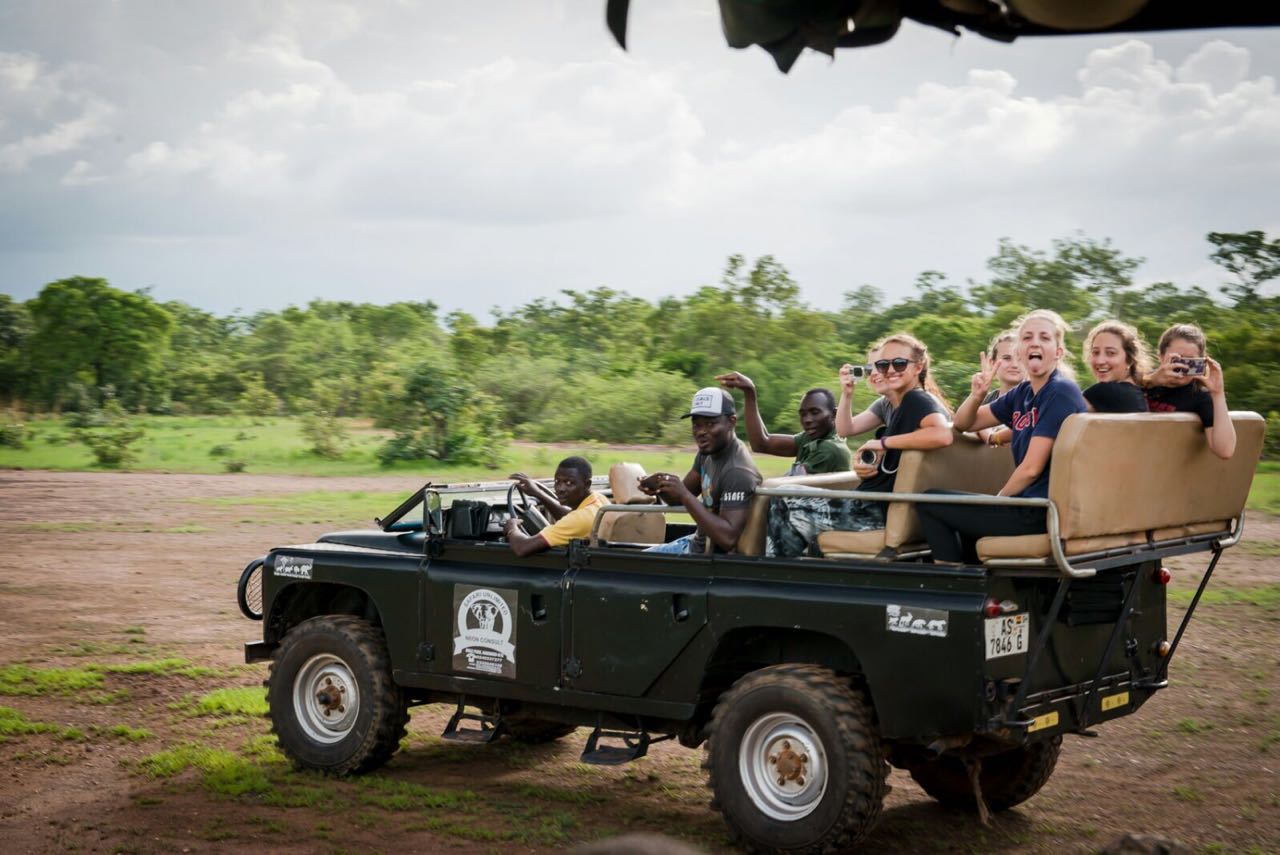
The Levi and Mole rivers flow through the park seasonally, shrinking to isolated waterholes during the long dry season, which typically runs from December to June. This is considered the best period for wildlife viewing, as elephants, antelope and other animals converge on the remaining pools of water, often within close view of the park’s main lodge. Visitors can choose between vehicle-based safari drives and guided walking safaris, the latter offering slower, closer encounters with antelope and warthogs, with armed rangers accompanying every walking group for safety.
Accommodation within the park is deliberately modest. The Mole Motel offers basic rooms overlooking a waterhole frequented by elephants, while budget travellers can camp nearby or stay in simple guesthouses. Daily costs for independent travellers typically range from USD40 to USD80, according to travel guides for the park. Mole lies around 24 kilometres from Damongo, the district capital, and roughly 146 kilometres from Tamale, Ghana’s northern regional capital, with most international visitors travelling onward from Accra.
The park’s gateway village, Larabanga, adds a cultural dimension to any visit. Known for its centuries-old mud-and-stick mosque, one of the oldest of its kind in West Africa, the village offers a glimpse of the Sudanese architectural style found across the wider Sahel region, and is often combined with a park visit as part of a single northern Ghana itinerary.
Despite its status as Ghana’s flagship national park, Mole has seen limited large-scale tourism development since its founding, and conservationists have raised concerns over funding levels and the ongoing risk of poaching. Wildlife authorities have continued efforts to protect the park’s resident antelope populations and broader biodiversity, positioning Mole as a quieter, less-developed alternative to the more established safari circuits of East and Southern Africa.
For travellers seeking an authentic West African safari experience away from larger tourist crowds, Mole remains one of the region’s most distinctive wildlife destinations. Sightings here are not staged or guaranteed in the way they might be on a densely populated reserve elsewhere on the continent; visitors often describe the reward of patience, tracking elephants on foot through dry bush before finding them at a waterhole, in a landscape still largely shaped by its natural rhythms rather than tourism infrastructure.