
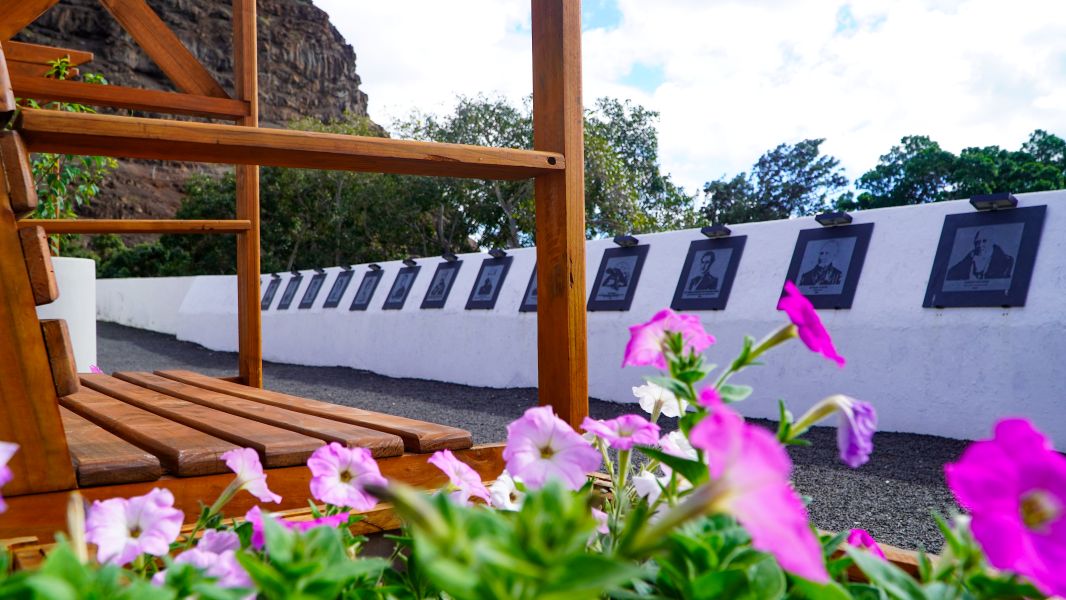
St Helena Tourism opened a historical installation in Jamestown commemorating figures who have visited the remote South Atlantic island over five centuries, in a bid to draw UK long-haul travellers seeking heritage experiences, the tourism body said on September 2.
The move is a calculated play by one of the world’s most isolated destinations to convert a marketing problem into an asset: with a single weekly flight and no mass-market appeal, St Helena is targeting the older, higher-spending heritage traveller for whom remoteness and history are the draw rather than the deterrent. The installation is funded through a UK government Tourism Development Programme.
A Walk Through History features an initial 28 plaques along the Castle Terrace wall, telling the stories of internationally significant visitors chronologically. Among those featured are Napoleon Bonaparte, exiled to the island in 1815; King Dinuzulu, exiled there by the British; and Jonathan, a resident giant tortoise recognised by Guinness World Records as the world’s oldest living land animal at about 194 years old.
The project includes improvements to the nearby Dolphin Stone Garden, home to a stone inscribed in 1645 by the crew of the British ship Dolphin, where sailors once left letters for passing vessels to collect, before the island’s first post office opened in 1815.
The launch draws on research commissioned by St Helena Tourism, which found 67% of UK long-haul travellers rated historic sites and heritage stories among the most appealing experiences on a leisure trip, rising to 80% among those aged 45 and over. The survey, conducted by GSIQ Tourism Insights in March, polled 2,006 UK adults open to international long-haul travel.
“St Helena is known around the world as the place of Napoleon’s final exile, but that is only one chapter in an extraordinary story stretching back more than 500 years,” said Jonathan Passaportis, head of tourism for St Helena.
Discovered by the Portuguese in 1502, St Helena became a key port on major sea routes with links to the East India Company. A British territory since 1659, the 47-square-mile island is accessible via weekly flights from Johannesburg, with seasonal services from Cape Town. Visitors can explore Napoleon-associated sites including Longwood House, where he lived in exile, and his original tomb in Sane Valley.