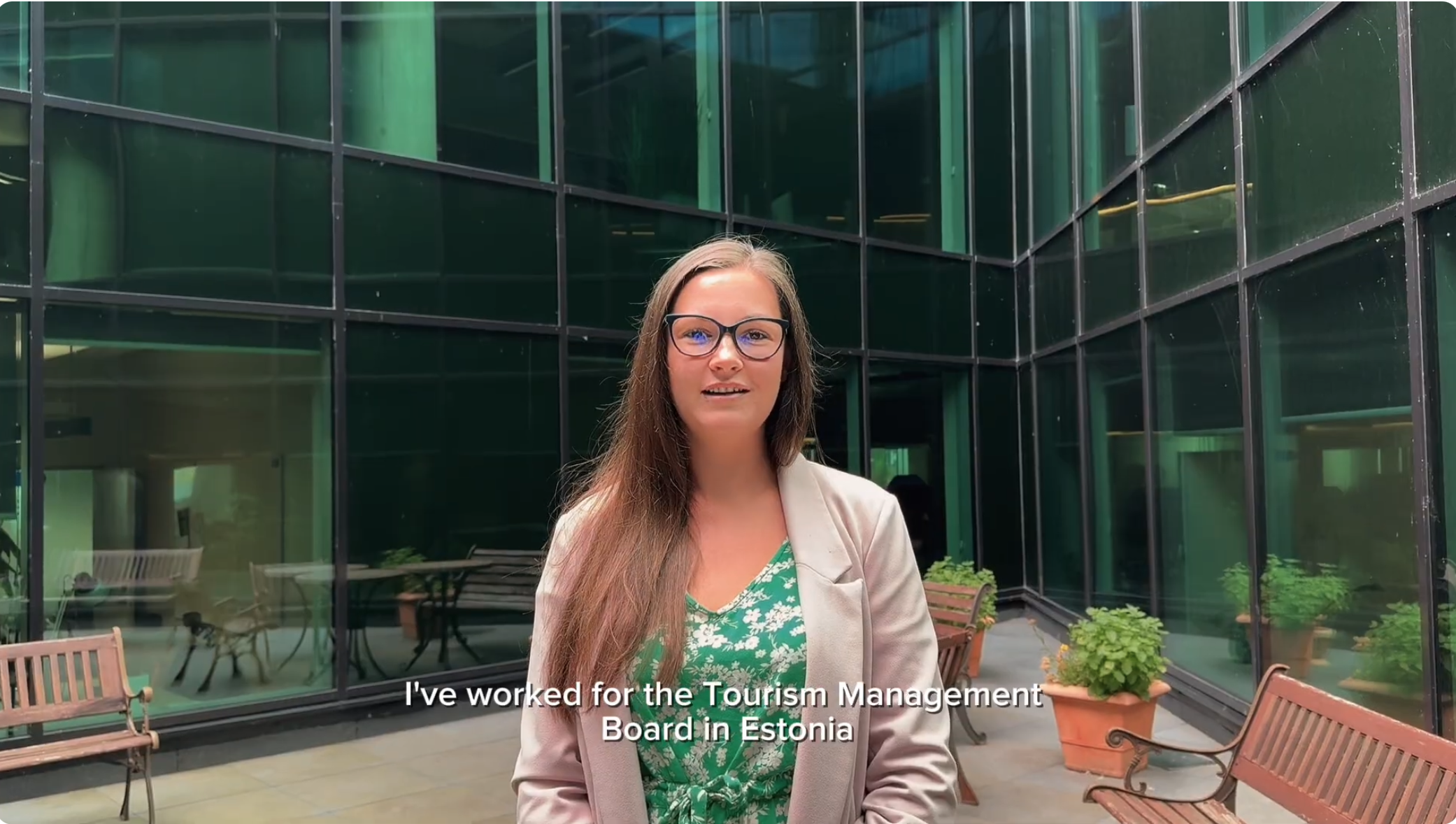
Estonia is positioning itself as a slow-travel destination built on culture, food and nature, according to Diana Aljas, project manager at Visit Estonia, the national tourism board.
For tour operators the pitch is compactness: Aljas says the country is small enough to cross quickly, with fast internet even in the forest, while a wave of new spas outside Tallinn is broadening the offer beyond the capital’s old town.
“Tourists come to Estonia mainly for three reasons: our culture, our food, and our nature,” Aljas told Emerging Travel. Visitors usually start with Tallinn’s UNESCO-listed medieval old town, she said, but “outside of Tallinn, you can basically find nature everywhere. More than fifty percent of Estonia is covered by forests and bogs.”
Sauna culture is a core part of the product. “Our sauna rituals are something that everyone should experience,” she said, describing them as a traditional way of living that Estonians are keen to share. Food is the other draw, with an emphasis on sustainability and using produce “from the seed to the stem”.
Events add to the calendar, from the Tallinn Marathon and Ironman in the autumn to ski races in winter and the Estonian Song and Dance Festival, held every four years and running for more than 150 years.
Aljas said Estonia is “slowly becoming a capital for spas”, with new properties “immersed in nature” across the country rather than in Tallinn alone. “Basically, in Estonia, you can slow travel. There is no hurry. We are very compact, so getting from one side to the other does not take that long.”
Emerging Travel has previously covered Kõrvemaa, Estonia’s forest and bog escape an hour from Tallinn.
Visit Estonia is the national tourism development body, working within Enterprise Estonia to promote the country to leisure and business travellers.
Watch and read more Emerging Travel interviews.