Armenia adventure travel has had a strong year, according to Ani Gevorgyan, business development manager at Yerevan-based destination management company Phoenix Tour. Hiking, trekking and jeep tours have led enquiries, and educational trips are also growing.
The growth gives Armenia a nature-led product to sell alongside its heritage offer. At the same time, operators in the country are working to keep bookings moving through flight disruptions in the wider Middle East.
“Armenia, being a very mountainous region, is becoming very attractive as a nature destination,” Gevorgyan told Emerging Travel. “People are very much into exploring the wild side of Armenia.”
Much of that interest has centred on the Transcaucasian Trail, part of which runs through Armenia. Jeep tours are also gaining ground. Meanwhile, clients are combining hiking with horse riding and elements of camping, she said.
Educational travel is the second growth area. Gevorgyan points to Armenia’s ancient history and archaeological sites. These draw students, universities and schools looking “to experience a certain historical period firsthand”.
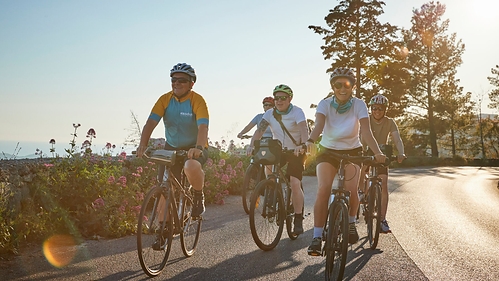
Phoenix Tour runs historic and cultural programmes for individuals and groups. It also sells cycling, trekking and hiking trips, as well as luxury and educational tours. Its pitch to the trade rests on a wide pool of suppliers. “We try to find an experience that you cannot book online,” Gevorgyan said.
“We really take our time to listen to the client, to understand what they’re looking for, and to make sure that they leave the country feeling like they have truly visited and experienced it.”
However, developments close to the region have been the biggest challenge this year. “Information travels fast, and very often it’s disinformation as well,” she said.
The recent disruptions to travel in the Middle East have created two problems for the company. First, there are the logistics of tourists physically reaching the region while flights are disrupted. Second, the company has to persuade the market that “it is actually safe on the ground in Armenia, and it is business as usual”.
Access to the capital has continued to widen, with routes such as FlyOne Armenia’s direct Vienna–Yerevan service.
“It is a process,” Gevorgyan said, adding that the travel industry adapts to changes in the world. “We try to make the most of it.”
Traveller feedback, she said, tends to run the same way. Visitors call the country a hidden gem. They say they did not expect it to be so rich in history and culture, the food to be so good or the people to be so welcoming.
“I just hope people will give it a chance, come to visit, and then come to their own conclusions,” she said.
Phoenix Tour was founded in Yerevan in 2009 by Karine Hovsepyan. It works with tour operators, travel agencies, individual travellers and MICE buyers. Alongside Armenia, it runs ground services and combined itineraries in Georgia, Moldova, Uzbekistan and Azerbaijan.