China’s Gansu province has drawn up guidelines for translating tourism signage into English, Japanese and Korean at its scenic areas, Xinhua Silk Road reported on November 27.
The rules cover sites including the Mogao Grottoes in Dunhuang, and target inconsistent and non-standard translations that the province says weaken the visitor experience and its destination brand as China widens its inbound tourism measures. Other provinces are also marketing harder to visitors, as Hunan did at a tourism conference in Changsha.
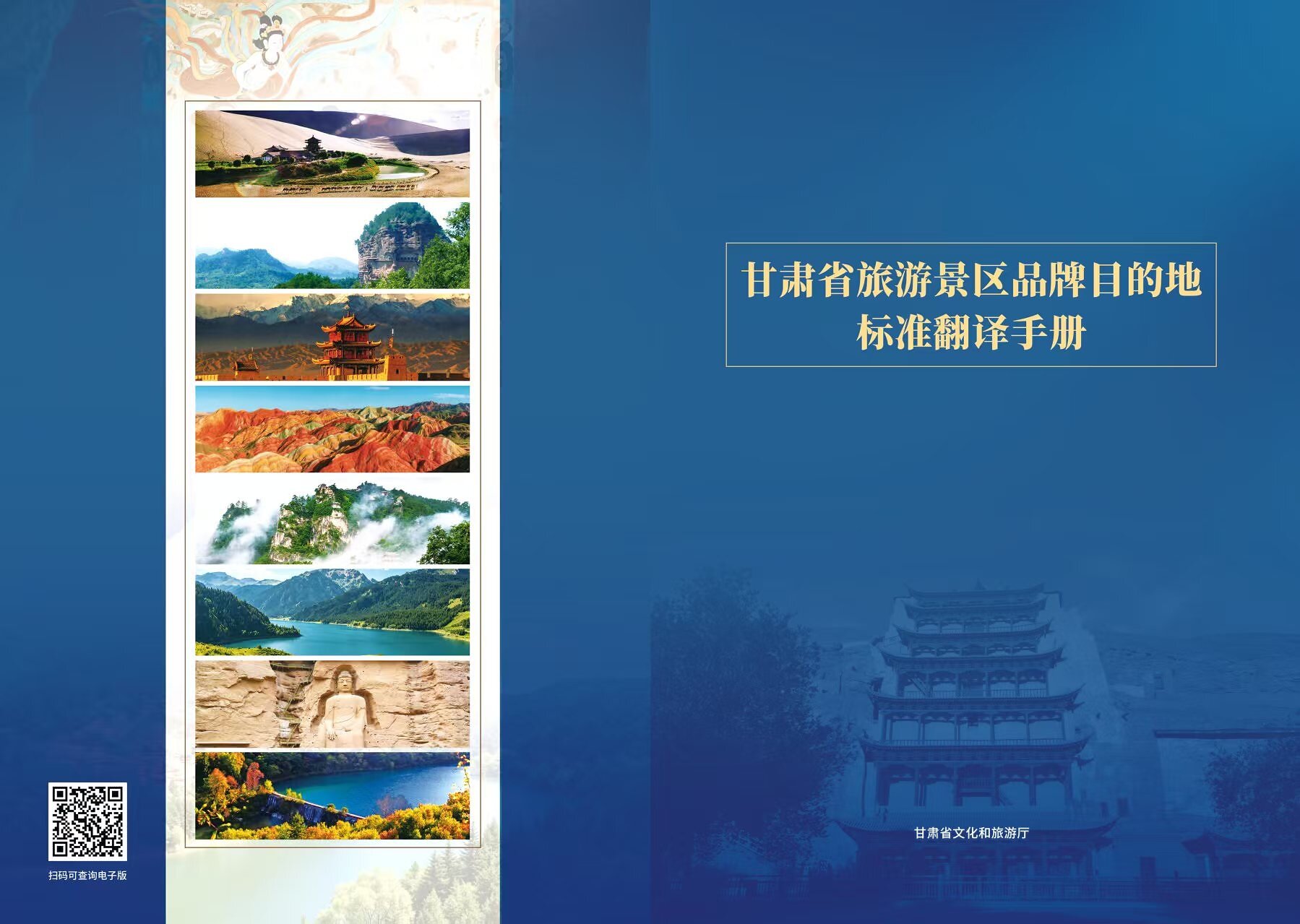
The Guidelines for Scenic Area Signage Translation apply to scenic attractions, graded homestays, national tourism demonstration sites, key tourism villages and leisure districts across the province. Named sites include Mingsha Mountain and Crescent Spring, the Maijishan Grottoes and Zhagana.
They set principles for translating attraction names, public service information, signage design and writing conventions, based on national standards and adapted to Gansu’s tourism resources and the needs of international visitors.
The package includes a glossary of standard translations for natural landscapes, cultural heritage sites, tourism facilities, public services and safety notices, along with a collection of common translation errors and their corrections.
Industry experts described standardised multilingual signage as “an essential component of modern tourism services”, according to the report.
Gansu plans to internationalise its tourism information systems, visitor guidance services and digital communication platforms.