Los Cabos aims to become the leading luxury destination in the Americas by 2036, its tourism board said on October 28, after visitors grew 77% over a decade.
Annual visitors to the Mexican resort rose from 2.12mn in 2016 to nearly 3.8mn in 2025. International arrivals climbed 58% to 2.34mn and domestic visitors more than doubled to 1.42mn. Private aviation traffic nearly quadrupled over the same period.
Air links widened over the same decade. In 2016 Los Cabos had nonstop service from 21 US cities and promoted itself in three main markets. It now connects with 55 cities worldwide, 33 of them in the US, and is promoted in 21 international markets.
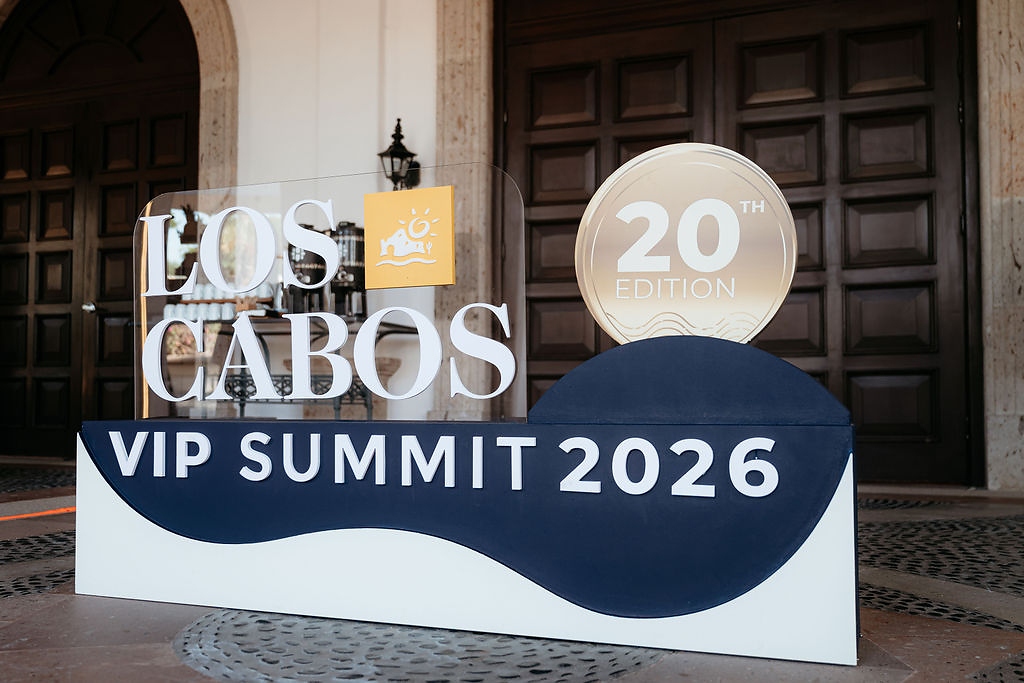
The board presented the plan at the 20th Los Cabos VIP Summit, held on October 25-27 for airline executives, tour operators, travel advisors and hotel partners.
“In recent years, we have deliberately shifted our focus from how much tourism grows to what that growth creates for Los Cabos,” said Rodrigo Esponda, Managing Director of the Los Cabos Tourism Board. “Value over volume means being intentional about the markets we develop, the travelers we attract, the experiences we promote and the partnerships we build.”
The plan sorts source markets into three groups. The US, Canada and Mexico remain primary. Germany and Colombia are earmarked for growth through new air links, while Australia, Japan and the UK are treated as high-value niche markets.
It also sets four local priorities. They cover training for hospitality and technology jobs, bringing local producers into the tourism supply chain, matching growth with spending on water, mobility and housing, and managing development within the region’s capacity.
Mexico launched a national 2026-2030 sustainable tourism strategy in September. The Los Cabos board said it will now measure local incomes, business opportunities and the health of natural habitats alongside visitor numbers.
Los Cabos has 16 Virtuoso-affiliated hotels, the most of any destination across Mexico, the Caribbean and Latin America. More than 1,200 hotel rooms are confirmed in the development pipeline through 2029.