Montenegro’s tourism minister, Kordić, has said the sector accounts for about 30% of GDP, or roughly a third of national income. She added that it makes up over 50% of exports and is regarded as a strategic industry.
Independent estimates vary with the method. One analysis puts tourism’s direct contribution at around 20-25% of GDP, rising to 30-35% once indirect effects are counted. The EBRD has put the sector at approximately one fourth of GDP. Either way, the sector is central to the economy.
A tourism-led economy
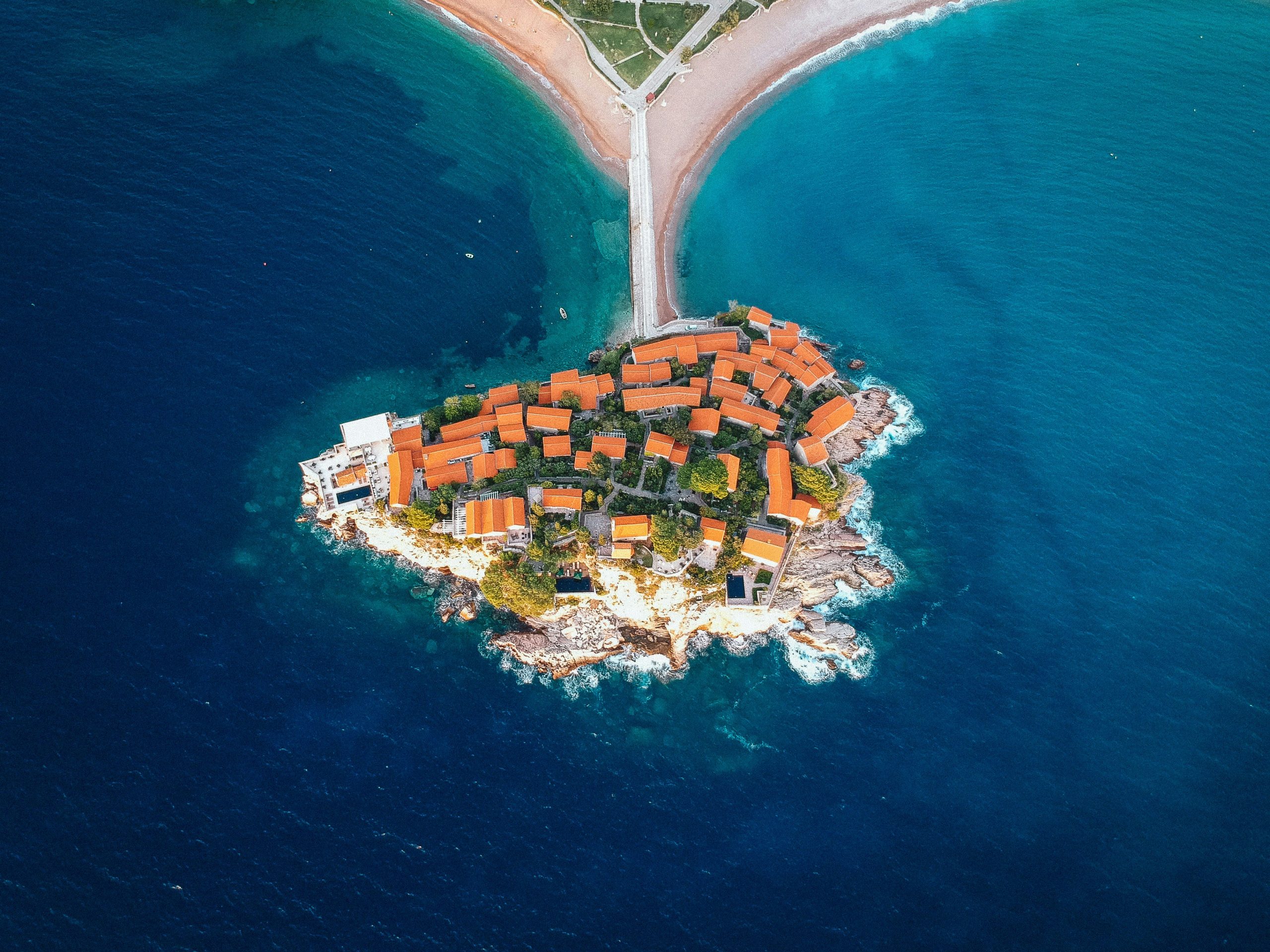
Services account for more than 75% of GDP, and real GDP is projected to grow by about 3.2% in 2026. Tourism also supports the country’s external finances. The trade deficit exceeded EUR3.5bn in 2025 and the current account deficit is estimated at 15-18% of GDP, among the highest in Europe. Foreign investment, particularly in luxury and real estate, helps close the gap. Porto Montenegro, for instance, has become one of the Mediterranean’s leading yachting destinations.
The government wants more of the same. Kordić has said encouraging investment in high-quality and luxury tourism is a key priority. The country is also seeking to improve its tourism infrastructure and develop eco-tourism to push the sector beyond 30% of GDP by 2027.
The seasonality problem
Analysts say the risk is concentration. Packing revenue into a short season amplifies volatility in public finances. One analysis argues the challenge is distributing demand across the year rather than creating it, through coordinated action on aviation policy, hotel operating models, event programming and regional development.
That makes air connectivity and year-round products the practical levers for a country this reliant on one sector.