Higher jet fuel prices driven by the conflict in the Middle East added €543mn to Lufthansa Group’s (ETR:LHA) fuel costs in the third quarter, and the German airline group now expects a full-year fuel bill of €9.3bn, it said in its quarterly results.
The increase ate up most of the gain from record revenue. Sales rose 9% to €12.2bn, the highest of any quarter in the group’s history, but adjusted EBIT rose only 6% to €1.4bn and the adjusted EBIT margin slipped to 11.5% from 11.9%.
“We were able to more than offset the increase in fuel costs of approximately half a billion euros,” said CEO Carsten Spohr, crediting rising revenue, sustained demand and strict cost discipline.
The network airlines, Lufthansa, SWISS, Austrian Airlines and Brussels Airlines, bore more than €400mn of the extra fuel cost. Their adjusted EBIT fell €108mn to €853mn, even as unit costs excluding fuel and emissions rose only 0.5% and yields climbed 6.8% on demand for premium seats and routes to Asia and North America. Lufthansa Airlines was also hit by about €65mn in costs from strikes earlier in the year.
The fuel squeeze follows the group’s decision to cut 20,000 summer flights as jet fuel costs doubled. In the third quarter, network airline capacity grew 1.6%, mainly on long-haul routes to South America, Africa and parts of Asia.
Eurowings cut capacity by 3.5% after initially suspending flights to the Gulf because of the Middle East crisis and redeploying aircraft mainly to shorter routes in southern Europe. Unit revenue rose 10%, while unit costs excluding fuel rose 4.8%.
The same crisis helped Lufthansa Cargo, which tripled adjusted EBIT to €162mn as yields rose 22% on strong air freight demand. Lufthansa Technik lifted adjusted EBIT 54% to €200mn.
CFO Till Streichert said the group had hedged around 86% of its passenger airlines’ 2026 fuel needs and more than 60% for 2027, leaving it “well positioned relative to the market”. Given the higher fuel costs, Lufthansa narrowed its 2026 adjusted EBIT forecast to €1.7bn-2.0bn, with the final figure depending largely on fuel, demand and Cargo’s fourth-quarter performance. Fuel pressure is weighing harder on less-hedged carriers, with Fitch warning of rating pressure on Wizz Air and Pegasus.
Net income rose to €1.3bn from €966mn. Net debt including pensions fell to €7.3bn at the end of September from €8.3bn at end-2025, and liquidity stood at €11.8bn.
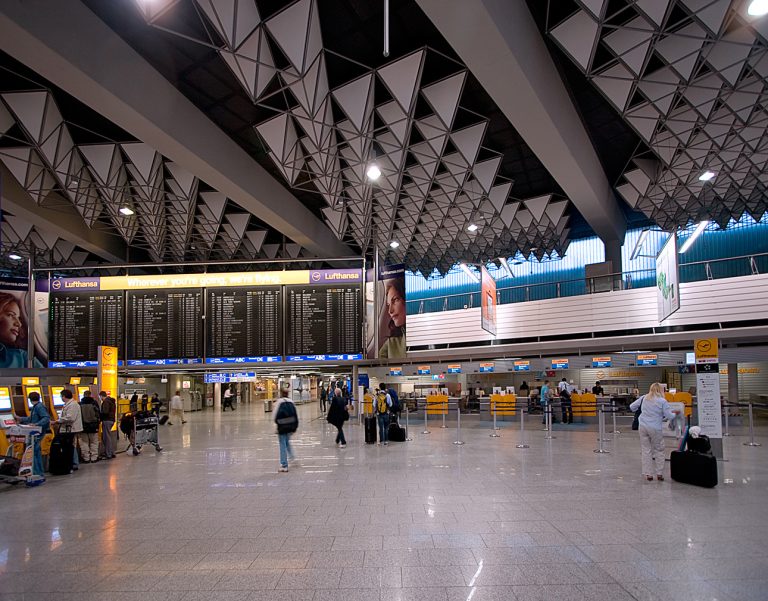
Lufthansa Group is one of Europe’s largest airline groups, based in Cologne with its main hubs at Frankfurt and Munich. It owns network airlines Lufthansa, SWISS, Austrian Airlines and Brussels Airlines, along with low-cost carrier Eurowings, Lufthansa Cargo and maintenance business Lufthansa Technik.