
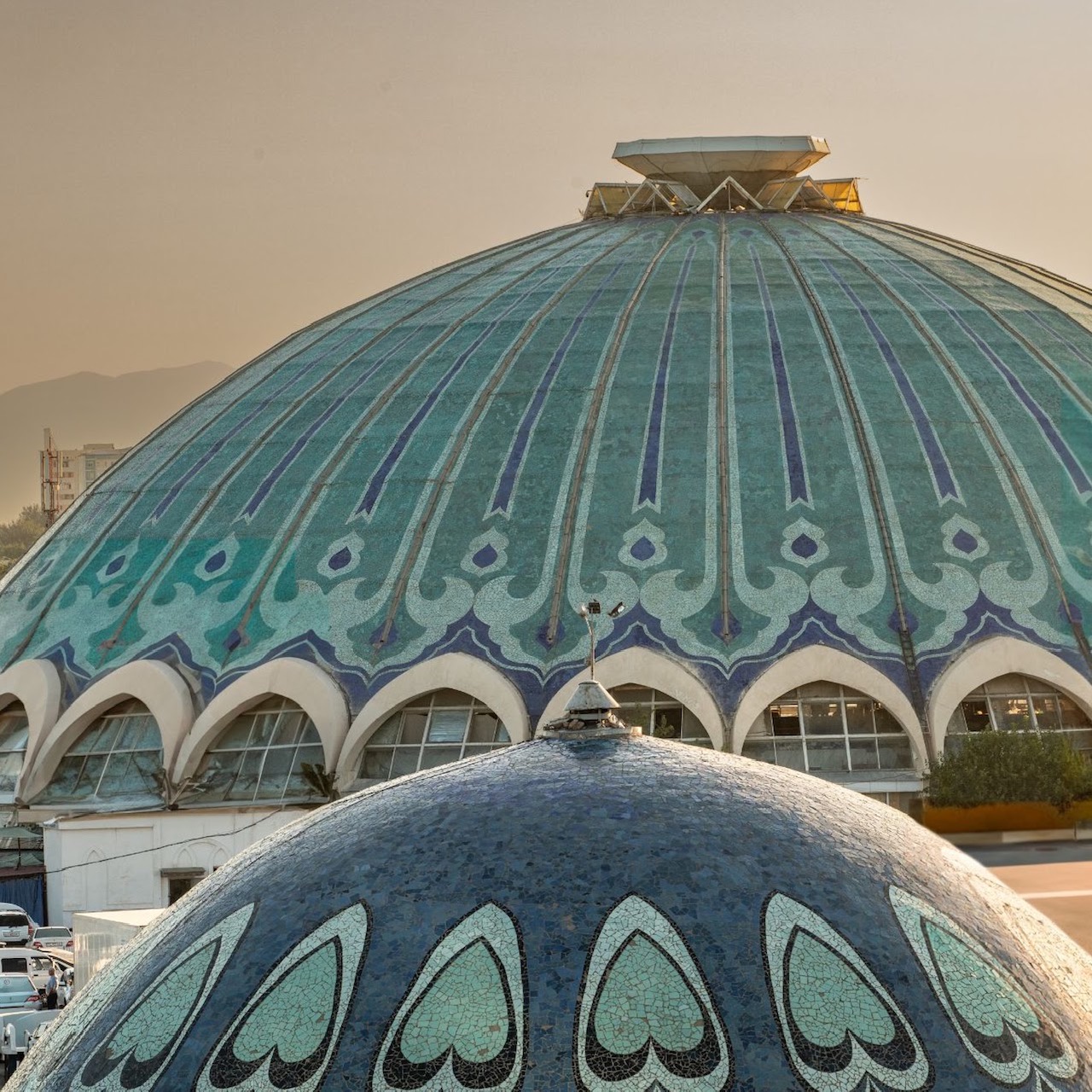
The UNESCO World Heritage Committee has inscribed 10 modernist buildings in Tashkent on the World Heritage List, making Uzbekistan the first country in Central Asia to gain recognition for its twentieth-century architectural heritage, the Uzbekistan Art and Culture Development Foundation (ACDF) said on July 27.
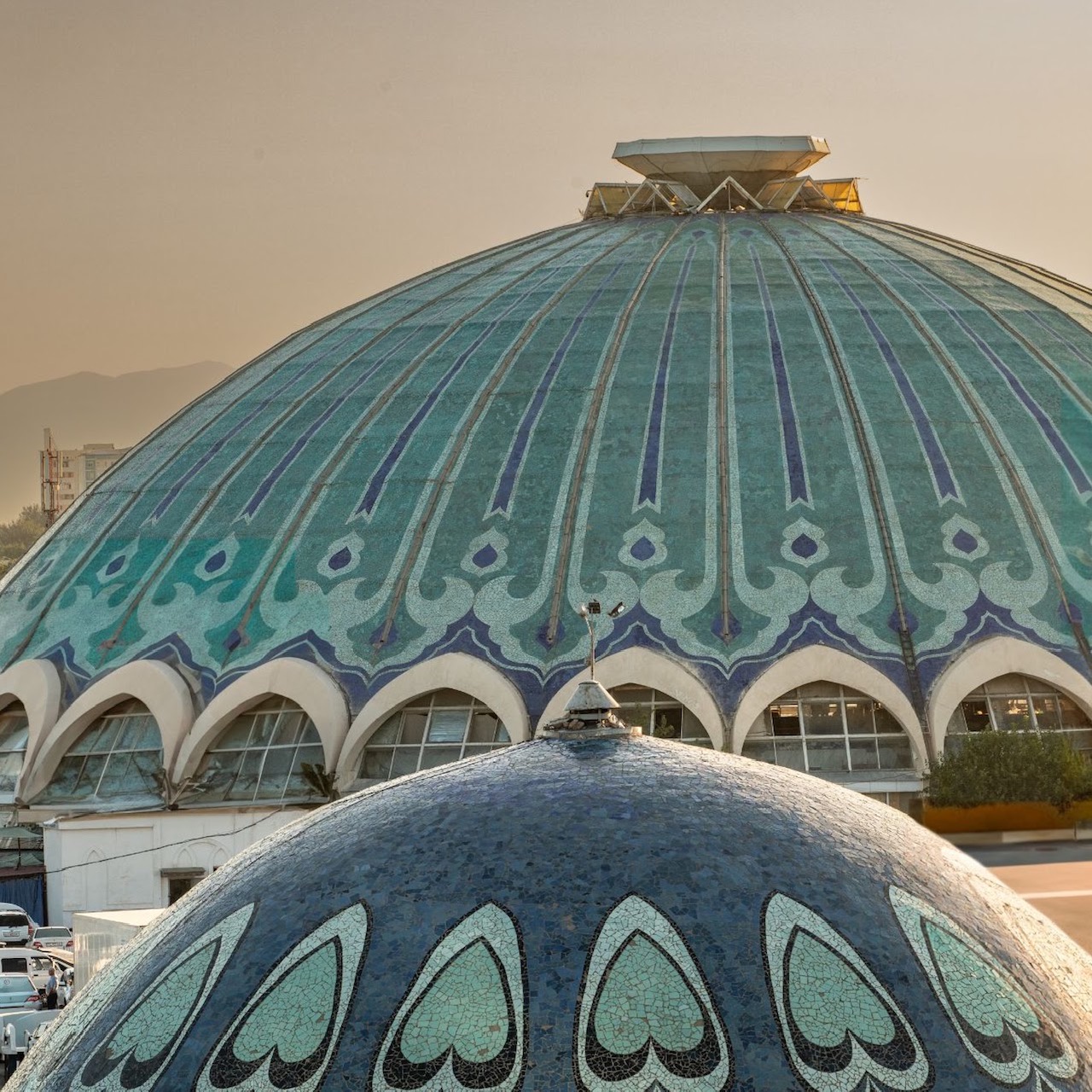
The decision was taken at the committee’s 48th session in Busan, South Korea. The 10 buildings, constructed between the 1960s and early 1990s, are now the youngest structures by date of construction to hold World Heritage status. They were inscribed under World Heritage criterion (iv) and span cultural, civic, commercial, infrastructural, scientific and residential architecture, combining Soviet-era planning methods with Central Asian spatial traditions, climate-responsive design and monumental art.
The buildings form part of a wave of modernisation that followed the Tashkent earthquake of April 26, 1966, which accelerated existing development plans for broad avenues, public squares, housing and civic institutions across the city.
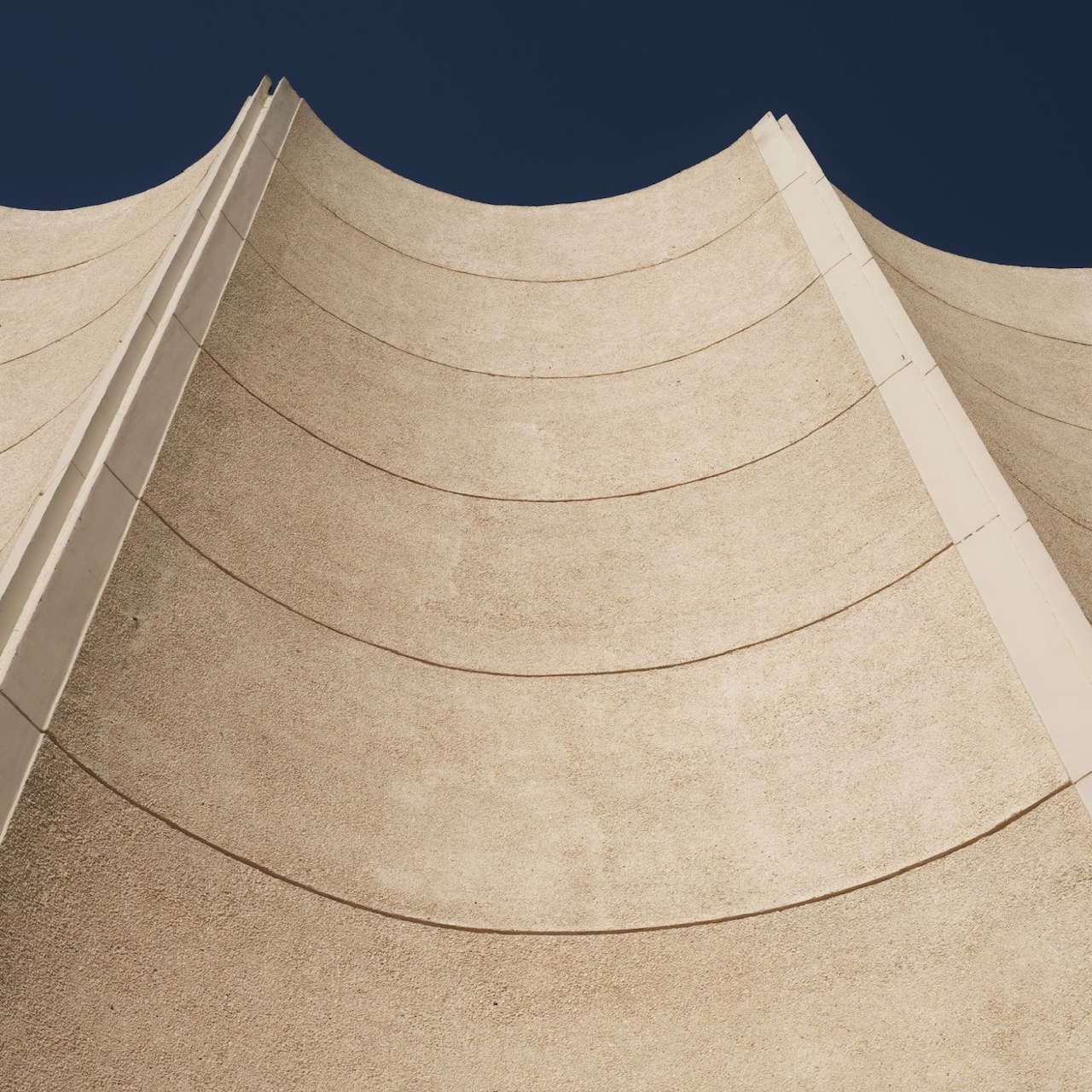
The inscription follows five years of research led by ACDF through its Tashkent Modernism XX/XXI project, commissioned in 2021 and coordinated by Milan-based studio GRACE, working with Politecnico di Milano’s Department of Architecture and Urban Studies, architectural historian Boris Chukhovich, Laboratorio Permanente, Novaya Zemlya and photographer Armin Linke, with architects Rem Koolhaas and Jean-Louis Cohen serving as advisors. The team documented 24 buildings, of which 21 were added to Uzbekistan’s State Cadastre of Cultural Heritage between 2019 and 2024, with the resulting documentation becoming legal reference material for their conservation in 2024.
The project also produced public exhibitions in Milan, Tashkent and Sharjah, Uzbekistan’s pavilion at the 2025 Venice Biennale, and two books published by Rizzoli and Lars Müller Publishers.
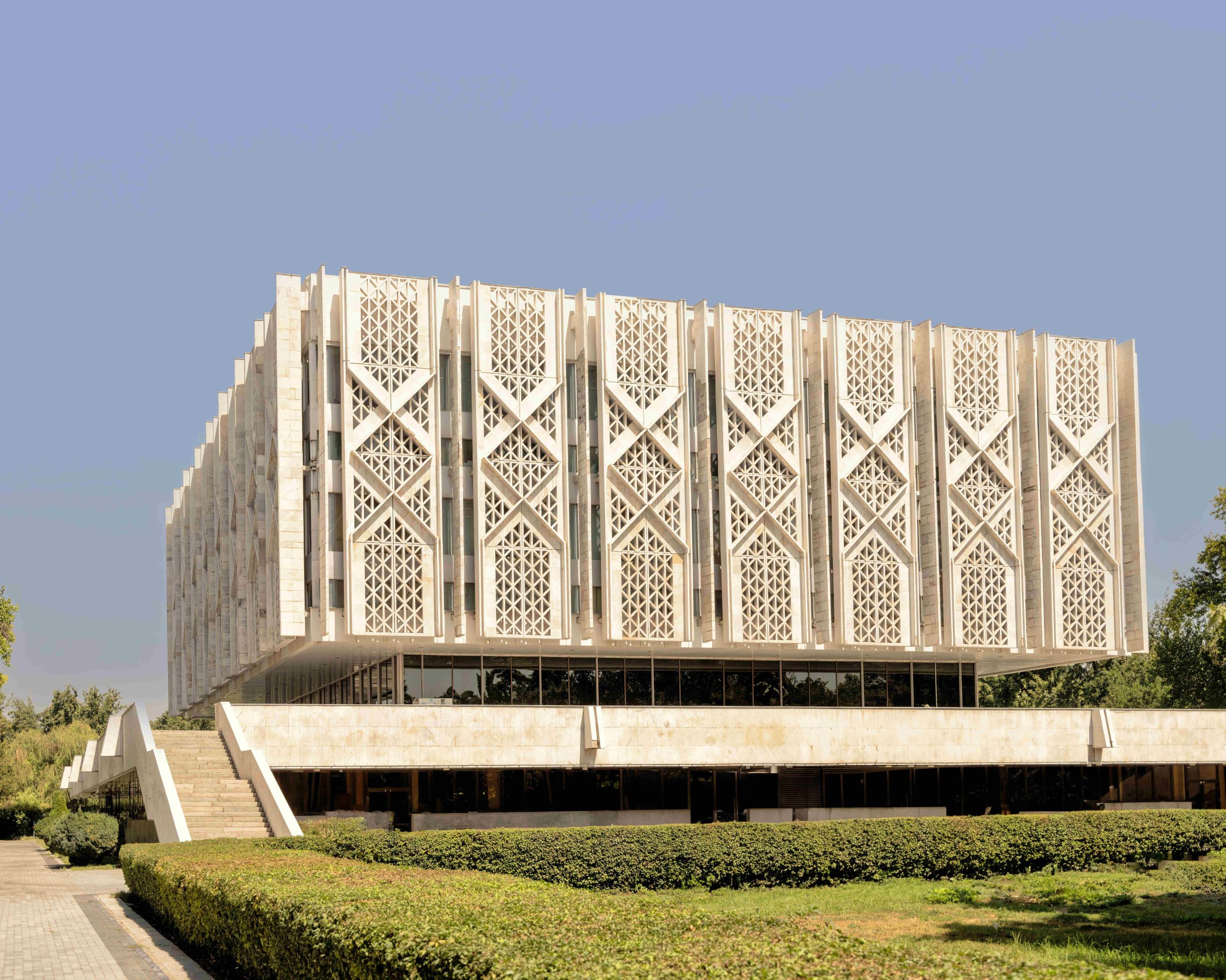
“This inscription brings a vital part of Uzbekistan’s recent architectural history into the international account of twentieth-century heritage and the global modernist movement,” said Gayane Umerova, chairperson of ACDF and of the National Commission of Uzbekistan for UNESCO. “These buildings record how Tashkent imagined public life, collective identity and the future through architecture.”
Ekaterina Golovatyuk, co-founder of GRACE, and Davide Del Curto, professor of architectural conservation at Politecnico di Milano, said the research “stimulated a conceptual rethinking of modernism’s cultural and geographical roots and the way and places it arose and flourished worldwide.”