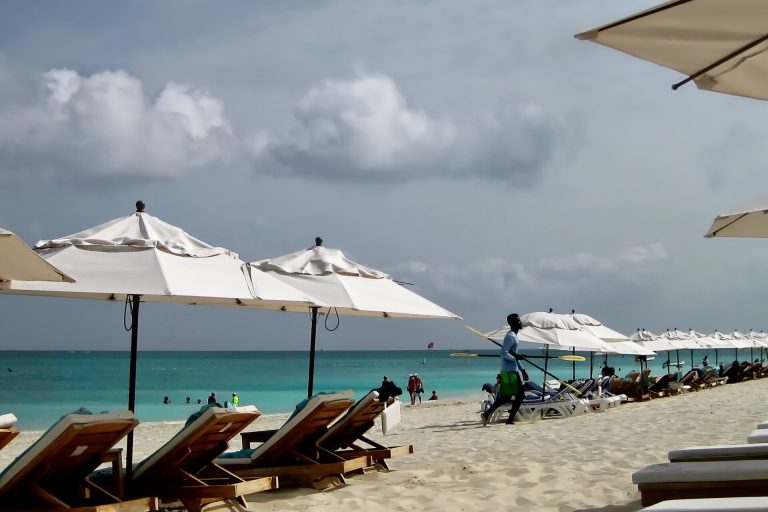
Some 81% of travellers would choose a holiday by how they want to feel rather than where they want to go, Booking.com said in its 2027 travel predictions on October 14.
The online travel agency’s 11th annual predictions, based on 28,230 respondents in 32 markets including Saudi Arabia, the UAE, India, Brazil, Thailand and Vietnam, point to trips shaped by mood, budget and a taste for surprise. They follow Expedia’s Unpack ’27 report, which also mapped next year’s travel trends.
Three quarters (76%) of travellers would use a search tool that recommends destinations based on their mood. The same share of Gen Z travellers would share wearable data, phone metrics or their emotional state with a travel provider to personalise a trip, against 35% of baby boomers.
Booking.com calls the wider shift the “plot twist trip”. Some 77% are interested in a holiday chosen specifically to do something out of character, 36% want to surprise friends and family with their choice, and 29% have deleted or avoided posting about a holiday that felt too predictable.
Money is reshaping group travel. Half of respondents have reconsidered whom to invite on a trip because of differences in spending, 51% have had disagreements on a trip over money expectations and 38% have removed people from a travel group entirely. Among parents, 61% want to travel child-free so they can spend more on themselves.
Health and diet are changing what travellers want from packages. Two-thirds (67%) say at least one health, body or lifestyle change has influenced their travel choices, 66% want packages that let them remove services they will not use, and 58% would let their diet influence their choice of accommodation or destination.
Work is following people on holiday. Some 58% say the last day of a trip is less enjoyable because of thoughts about work, and 38% take a laptop. Booking.com found 64% interested in having AI cover their work while away, 43% would let it handle emails and admin, and 44% would use AI catch-ups to justify an extra day off.
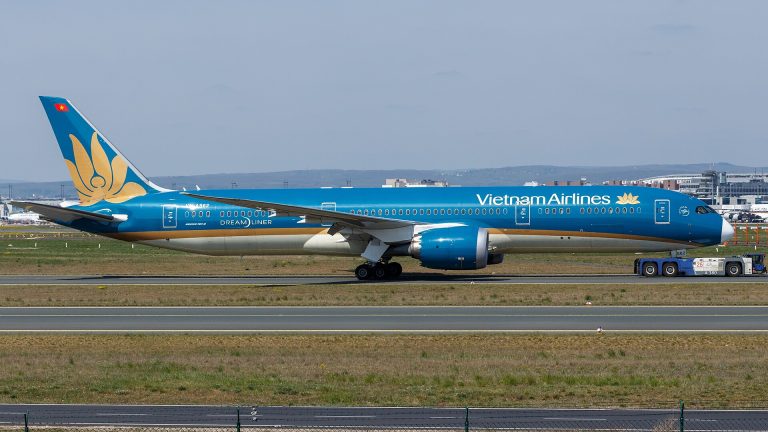
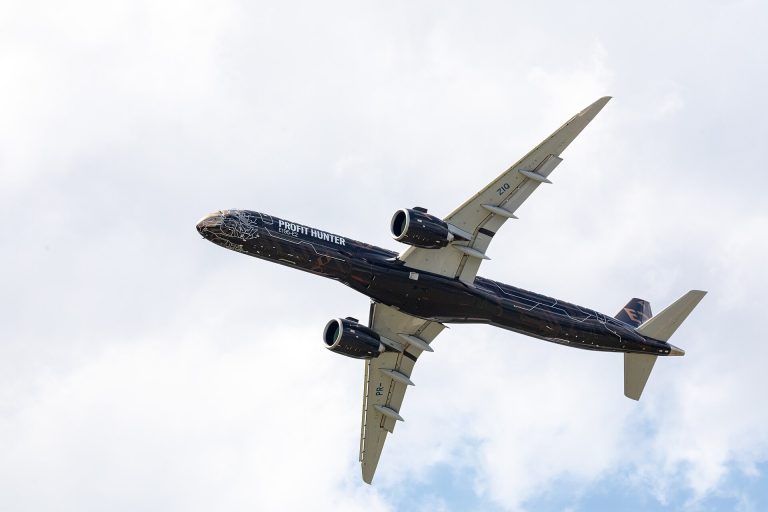
Airlines feature too. Some 89% of travellers would take a long-haul flight if it guaranteed they would arrive rested. They want in-flight menus or caffeine guidance that supports sleep (33%), lighting to reduce jet lag (20%) and skincare kits (19%), while 24% would choose a child-free quiet zone.
Other trends include paranormal travel, which interests 65% of respondents, with 48% open to seeking contact with someone on “the other side”. Two-thirds of solo travellers say a shared physical activity led to a lasting connection, and 47% of travellers would consider a trip to resolve a conflict, with walking or hiking together rated the most effective activity.
“Travel is becoming less about following a formula and more about expressing who you are,” said Paul Hennessy, chief marketing officer at Booking.com. “Travelers are challenging the conventions of how, why and with whom we travel, and technology is giving them more freedom to do it with confidence.”
The survey was carried out online in July and August 2026 among adults planning business or leisure travel in the next 12 to 24 months, with a margin of error of plus or minus 0.6%.
Booking.com is one of the world’s largest online travel agencies, connecting travellers with accommodation, flights, car hire and attractions. Founded in Amsterdam in 1996, it is part of Booking Holdings (NASDAQ: BKNG).