
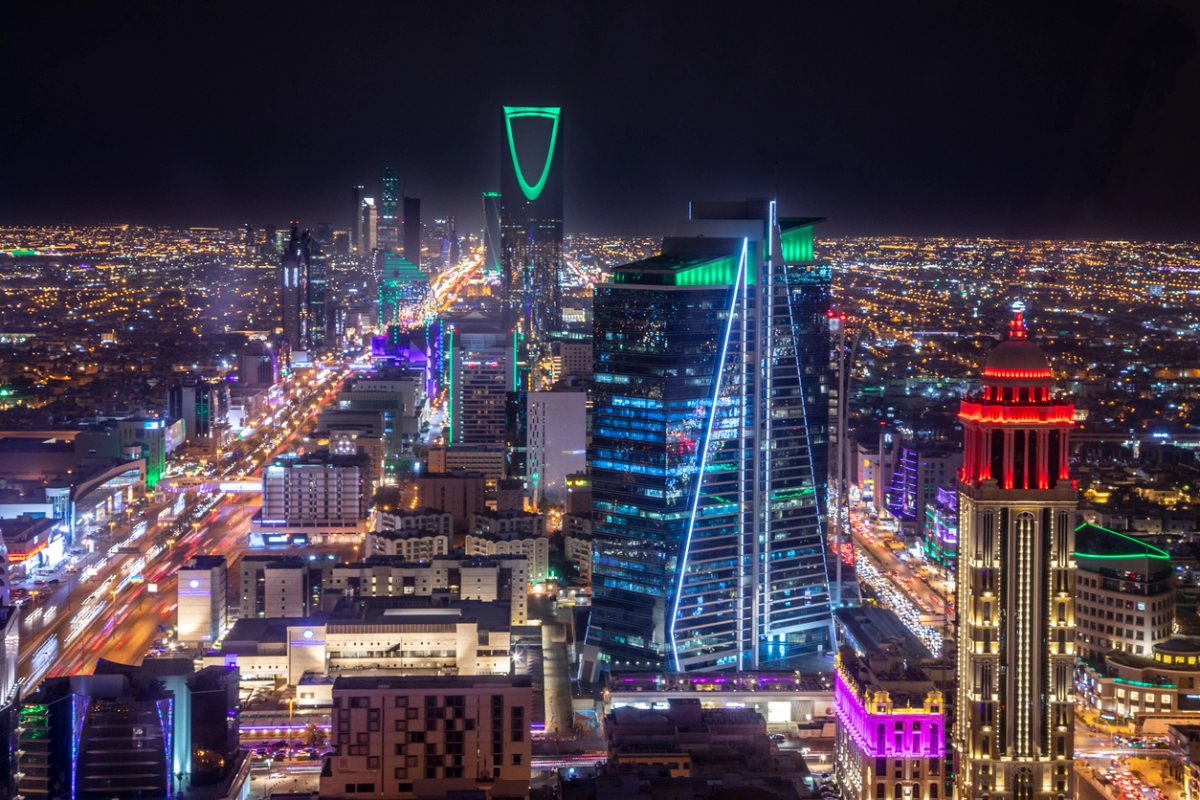
Riyadh has joined the Global Quality of Life Index, a measurement initiative run by Saudi Arabia’s Quality of Life Program Center with the United Nations Human Settlements Programme, known as UN-Habitat, the centre said on August 3.

The move slots the Saudi capital into a data framework that ranks cities on liveability rather than economic output alone, part of a broader effort to position Riyadh among the world’s more attractive cities to live, work and invest in as it competes for global talent, tourism and capital. The index, launched at Davos in January and covering more than 100 cities across several continents, uses 28 indicators across nine domains from housing and mobility to health, environment and social cohesion.
The centre said Riyadh’s inclusion reflected the work of the Royal Commission for Riyadh City, the Riyadh Mayoralty and the Quality of Life Program Center to lift the capital’s standing among leading global cities, and supported the use of standardised measurement that lets cities compare performance on health, wellbeing, the urban environment and economic and social opportunity.
The index is designed as a tool for city leaders to track progress on residents’ quality of life through quantitative and qualitative indicators spanning housing, transport, public services, green space, safety and physical and mental health. Riyadh’s participation aligns with Vision 2030, which sets out to make the capital one of the world’s most liveable cities.
Why it matters for the trade
Liveability rankings are increasingly a currency in destination marketing, and Riyadh’s entry into a UN-Habitat-backed index gives the city an externally validated data story to sell to inbound operators, MICE planners and corporate-travel buyers weighing it against regional rivals such as Dubai and Doha.
For the trade, the practical read is that Riyadh is building the soft infrastructure, green space, public services, walkability, that turns a business-travel destination into a leisure and long-stay one. That matters as Saudi Arabia pushes to lift international arrivals and lengthen stays under Vision 2030. A city that scores well on wellbeing and urban environment is also easier to position for the higher-yield bleisure and remote-work segments, and the index gives DMCs and hotel groups a framework to benchmark Riyadh’s progress year on year.