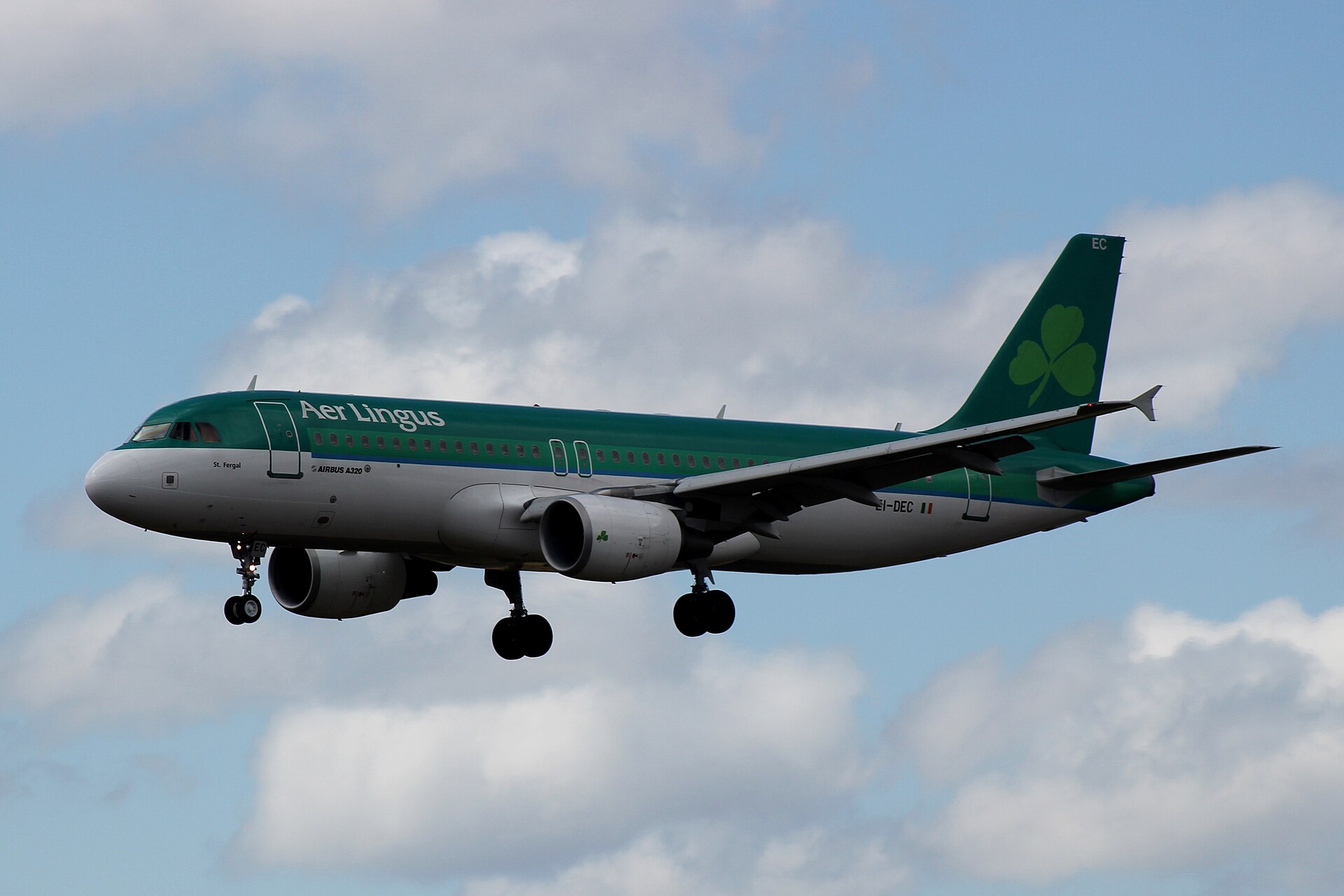
Bomb threats disrupted more than 10 flights across Europe on November 5, the second wave this week, forcing diversions, fighter jet escorts and an evacuation, though no explosives were found on the aircraft checked, according to airlines and authorities.
An Aer Lingus Airbus A320 flying from Dublin to Rome diverted to Evreux military air base in northern France after air traffic control passed on a bomb-on-board threat, according to aircraft messages analysed by BBC Verify. A Finnair flight from Helsinki to Rome was escorted into Rome Fiumicino by Italian Air Force jets, and airport operator Aeroporti di Roma said police bomb disposal checks found nothing on board.
Three Ryanair flights to Bulgaria, from Copenhagen, Madrid and London, were also targeted, the country’s Ministry of Transport said. The Bulgarian air force said MiG-29 fighters took off from Graf Ignatievo Air Base to escort the aircraft, two of which landed at Sofia’s Vasil Levski Airport and one at Plovdiv. No explosive devices were found.
Wizz Air said its Milan Malpensa-Warsaw flight was diverted to Vienna in line with security protocols, while nearly 200 passengers were evacuated from a Wizz Air flight from Milan to Bucharest after it landed at Henri Coandă International Airport, where an explosives team from Romania’s Intelligence Service inspected the aircraft. Polish carrier LOT said no suspicious items were found on its Warsaw-Brussels flight.
Czech police said four flights heading to Prague had received threats about an improvised explosive device, which they assessed as low relevance. No explosives were found on the four planes, a police spokesperson told news agency CTK.
At least seven flights were hit by similar threats on November 3, again with no explosives found. Wizz Air said it was “not the only airline targeted”, and airports in Rome and Bucharest said their operations continued without disruption.
Marco Chan, a senior lecturer in aviation operations at Kingston University and a former Cathay Pacific pilot, told BBC Verify the threats were most likely a hoax but that the system was right to treat them as real, given that sending one costs almost nothing while the response ties up airlines, airports and air forces.
The diversions add to the operating pressures on European low-cost carriers, with Fitch warning of rating pressure on Wizz Air and Pegasus over high fuel costs.